
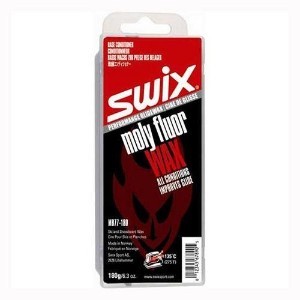
Ski waxing has always been about two things – make the ski glide faster, and make a wax that can last longer. And this doesn’t include the special needs for ‘grip’ or ‘kick’ wax for the classical nordic skier.
The first glide waxes were made of pine tar. Glide wax needs to be hydrophobic so that it can repel water. A coating of pine tar over the old wooden skis fit the bill, and was already available from the ship building industry.
Modern waxes now tout the ‘NANO’ slogan, and can come if powder, hard, or liquid form.Their manufacturers (Holmenkol, the oldest ski wax maker in the world) claim to have improved not only the chemistry, but the physics of the wax,
They keep some of this research secret, but the physics may well pertain to improving not only the gliding properties of a ski but the texture and surface structure of the ski base, which is important with respect to reducing suction on wet snow, for example.
Interestingly, modern ski waxes vary their hydrophobic properties by varying the amount of fluorocarbon in the mix. This has turned out to be a potential health risk for those subjected to the smoke and fumes associated with ski waxing.
See: History of ski waxes (source for the above)
See also: Ski wax and the environment
Tweet