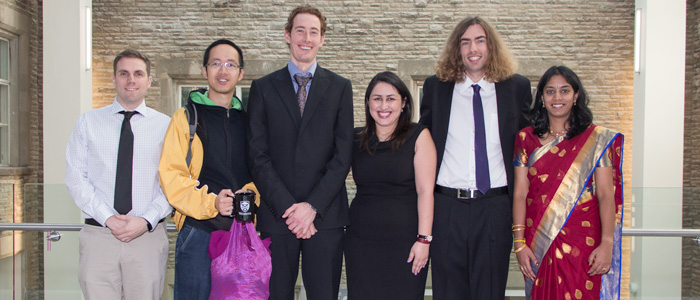
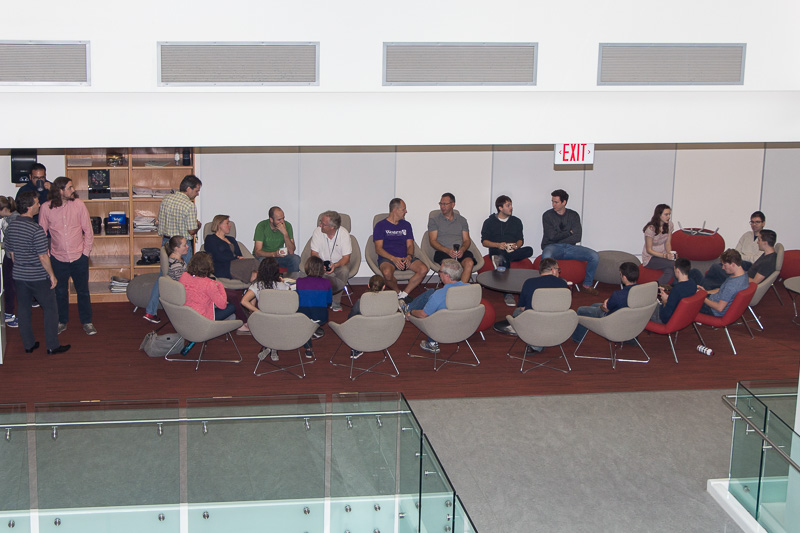
On Friday, October 31, 2016, a reception was held for our Physics and Astronomy graduating students prior to the afternoon convocation ceremonies.
The following is a list of our fall graduates.
Masters of Science
Mark Baker – MSc Physics – Project title “Gauge Invariant Lagrangian Formulation” Sup: Shantanu Basu Sivayini Kandeepan – MSc Physics – Thesis “OMCVD Gold Nanoparticles Covalently Attached to Polystyrene for Biosensing Applications” Sup: Silvia Mittler Collin Knight – MSc Astronomy – Project title “Spatial Properties of the Polycyclic Aromatic Hydrocarbon Population in the Reflection Nebula NGC 2023” Sup: Els Peeters Tianho Ouyang – MSc Physics – Thesis “Self-assembled copper nanoparticle superlattices on graphene thin films” Sup: Giovanni Fanchini Demetrius Ribiero du Paula – MSc Physics – Project Title “A Method for Independent Component Graph Analysis of Resting-State fMRI” Sup: Andrea Soddu
Doctor of Philosophy
Sahar Rahmani – PhD Astronomy – Thesis “What governs star formation in galaxies? A modern statistical approach” Sup: Pauline Barmby Matthew Shannon – PhD Astronomy – Thesis “The spectral variability of astronomical PAHs” Sup: Els Peeters Neven Vulic – PhD Astronomy – Thesis “X-ray Populations in The Local Group: Insights with Hubble & Chandra” Sup: Pauline Barmby & Sarah Gallagher Quanzhi Ye – PhD Astronomy – Thesis “Aging comets and their meteor showers” Sup: Peter Brown
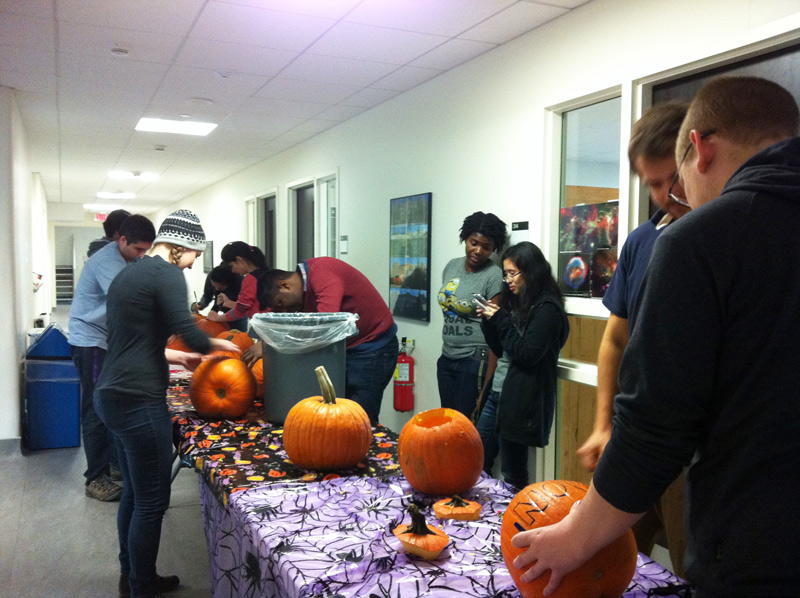
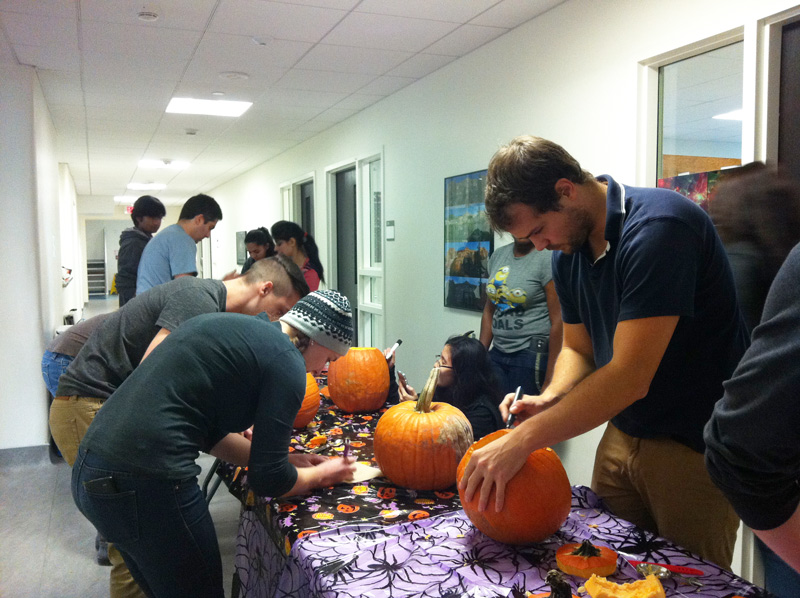
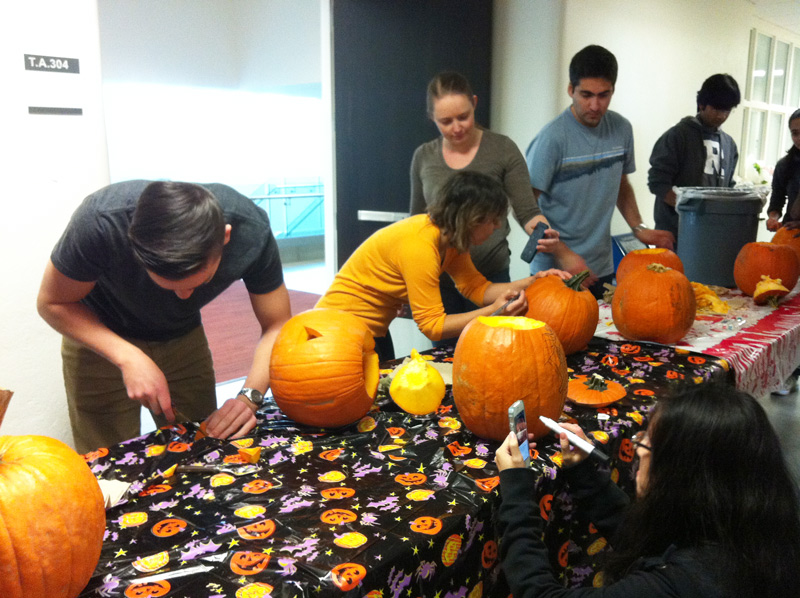
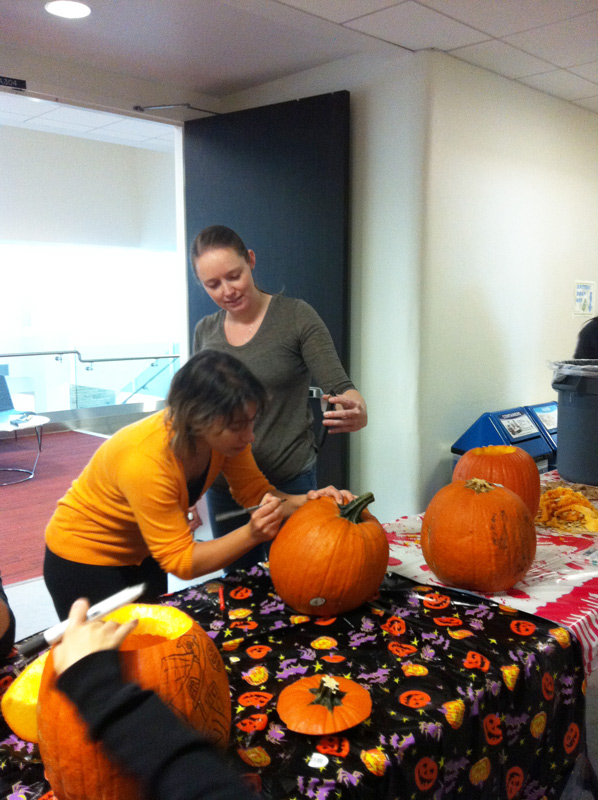
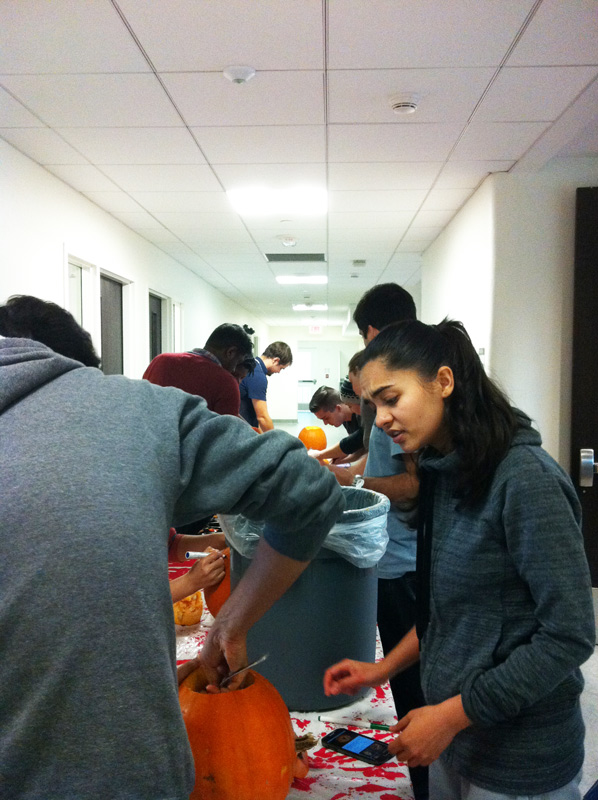
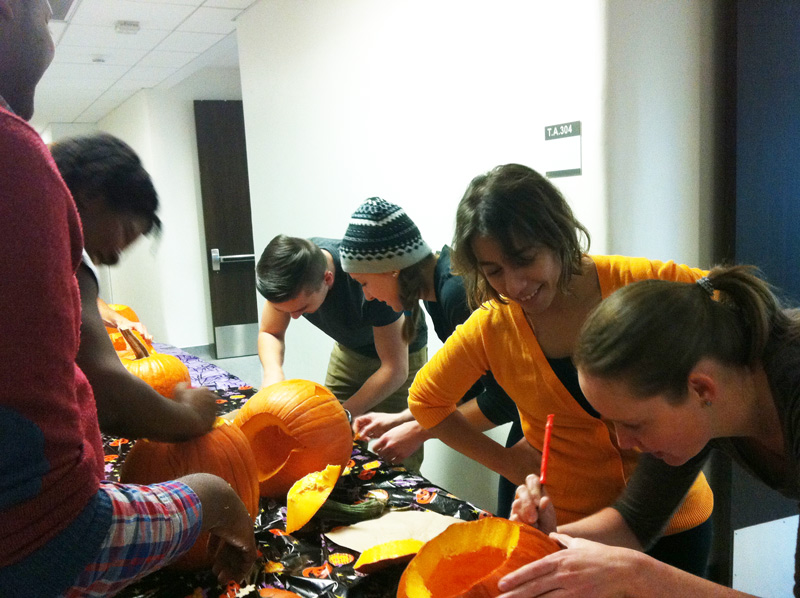
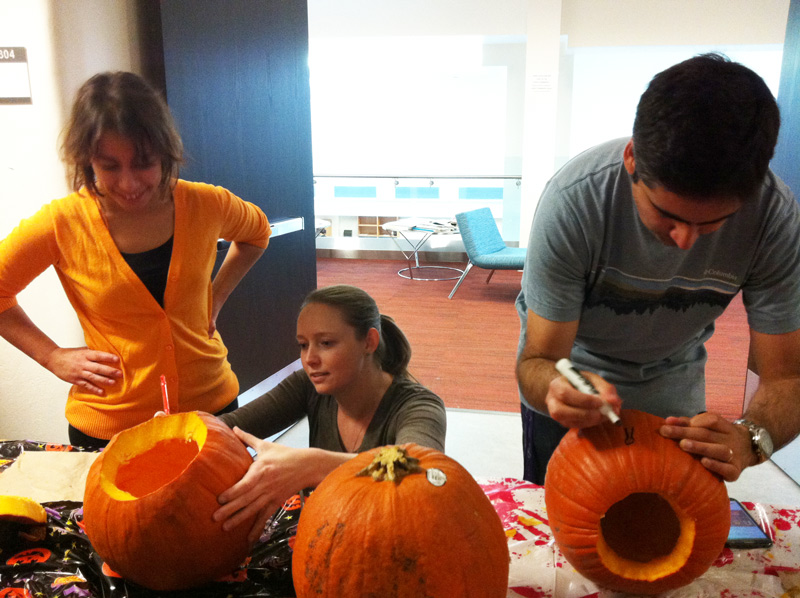
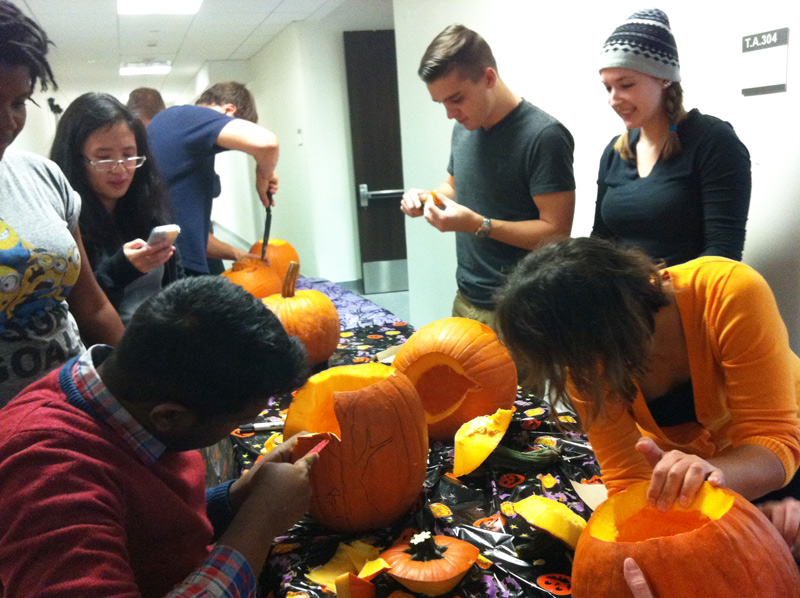
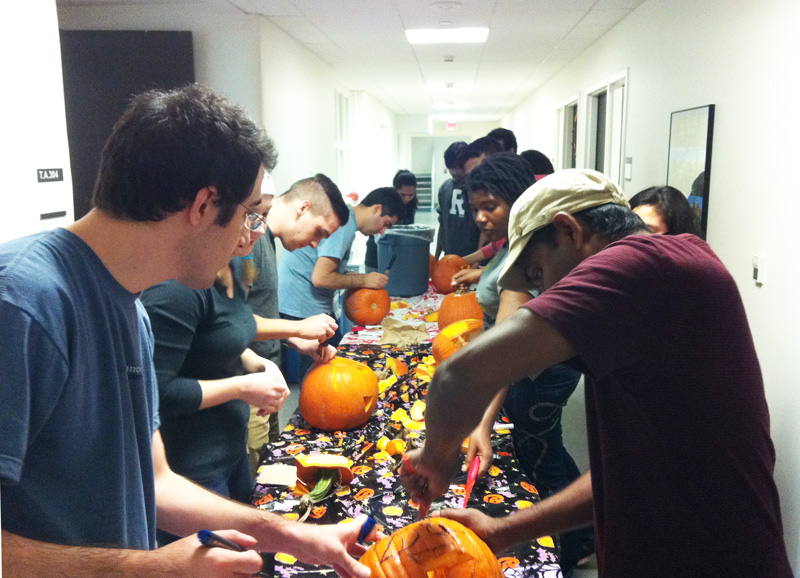
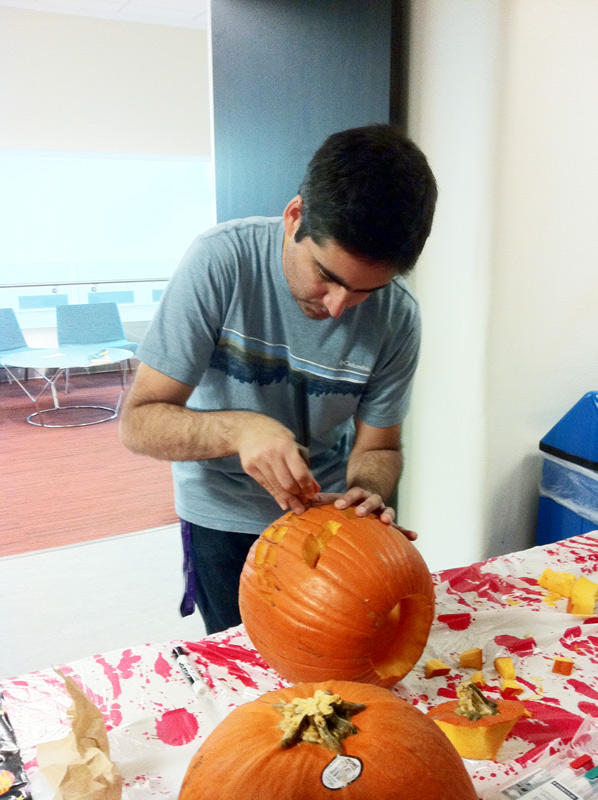
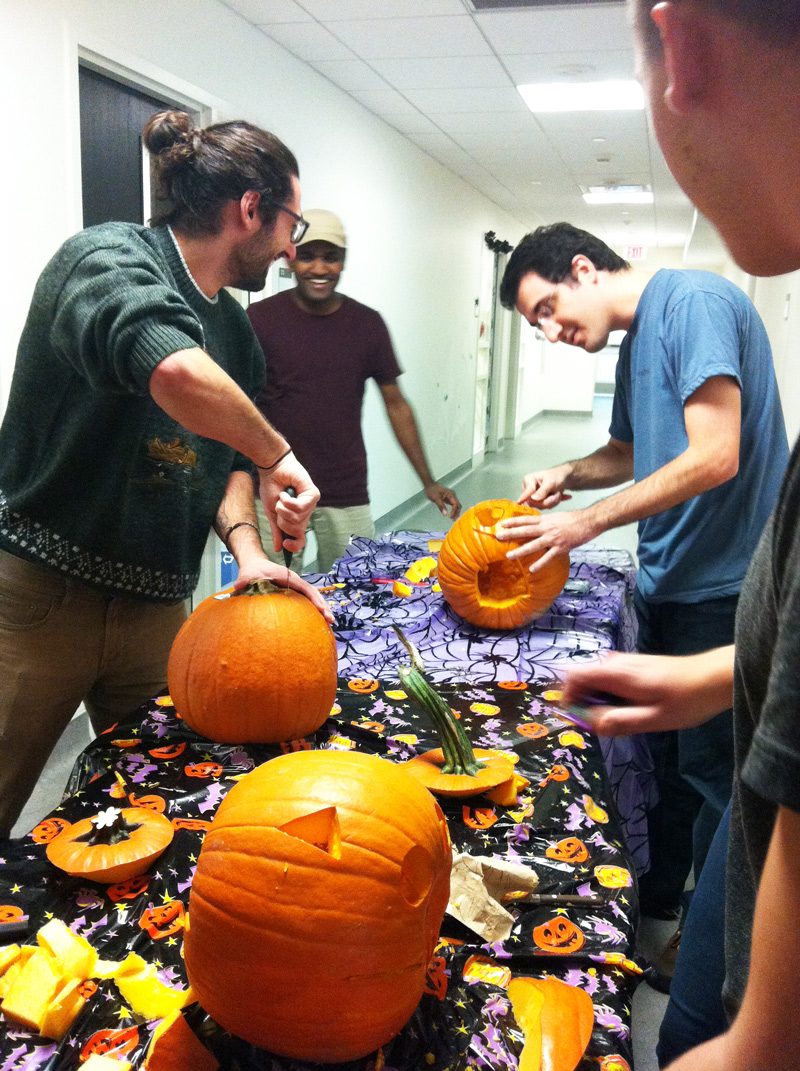
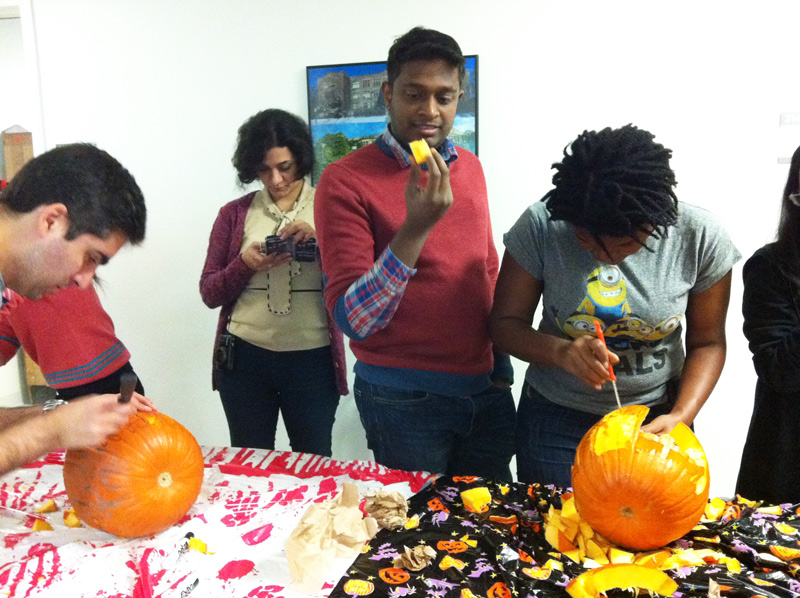
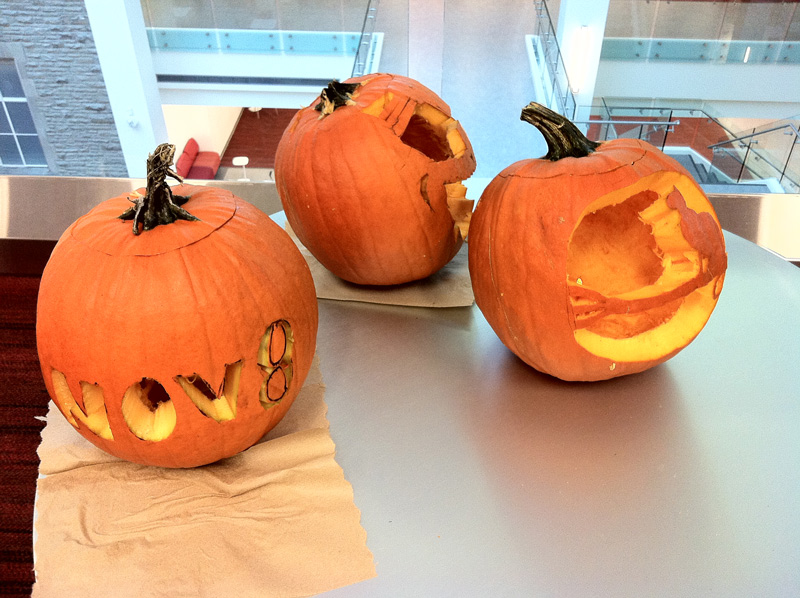
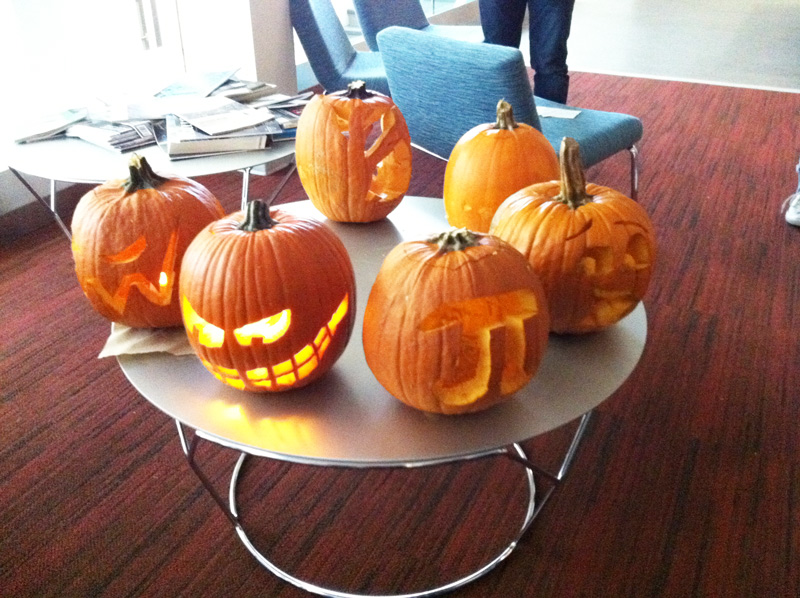
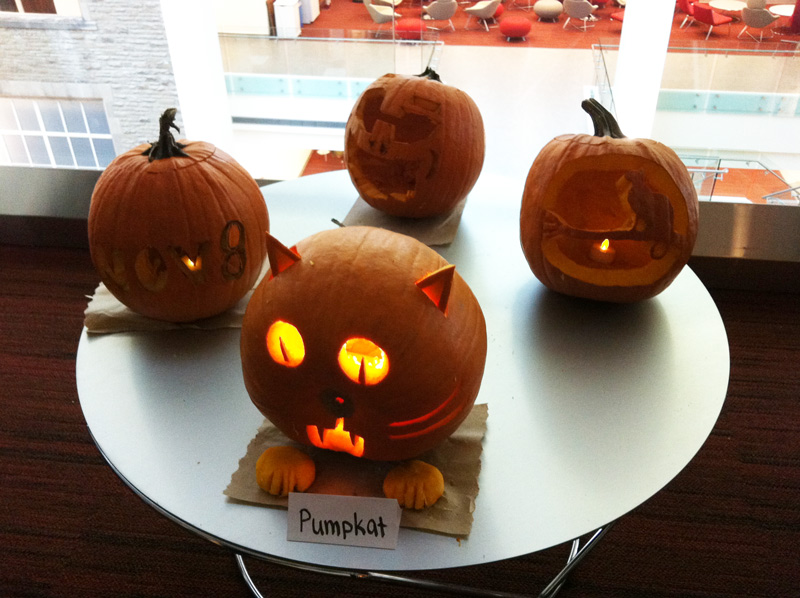
Graduate students held the second annual pumpkin carving contest on Friday, Oct. 28, 2016. Winner has yet to be announced. The event was organized by the Physics and Astronomy Grad Council.
On Thursday, Oct. 13, 2016, Bethany Grzenia successfully defended her astronomy PhD thesis.
Prior to the formal thesis examination, Bethany gave a public talk titled, “The circumstellar environments of B-emission stars constrained by optical interferometry”.
Although Saturday had dawned crystal clear, there was a blustery wind, and the forecast was dicey because of the battle between the local high pressure system and the remnants of Hurricane Matthew.
Forging ahead, the intrepid volunteers arrived at about 3pm to set up displays and telescopes. Parshati Patel, Dilini Subasinghe, Will Hyland, and Nastaran Ghafouriansahraei prepared the lecture room and visitors information table. In the basement, Christy Caudill and Sarah Simpson prepared the impact crater demo, while Elise Harrington would be demonstrating the Sotellunium (Sun-Earth-Moon model). Jennifer Newman set up a table containing the Western meteorite collection. On the observing floor, Everett Clark, Paul Kerans, Dave Clark, Robin Arnason, and Henry Leparskas got telescopes ready, opened the dome and pointed to the moon as it came in and out of the clouds. Dave had his 20.3cm Meade scope, while Paul used his 23.5cm telescope, and lastly Peter Jedicke used the 25.4cm Dobsonian mounted Newtonian reflecting scope. He was later accompanied by Dave McCarter. The historic 25.4cm refracting scope of managed by Robin Arnason and Dilini Subasinghe.
By the 5:00pm opening time everything was in readiness, and as doors opened, a few visitors trickled in. At about the same time a dark set of ominous clouds also descended over north London and the campus.
The clouds were a bit of a disappointment to the telescope volunteers, because the first quarter moon was already well above the horizon and would have been visible otherwise. However, there was lots for visitors to do, as they were given tours of the old telescopes on the observing floor, and got to ask questions about the more modern telescopes that had been deployed on the observing deck outside. Visitors could also enjoy the demonstrations going on in the basement, and they could also get lots of cool stuff at the information table that was situated in the lecture room.
As more visitors began to arrive, at 6:00pm Prof. Catherine Neish spoke in the lecture room on ‘My Favourite Moons’, and at 6:30pm Prof. Phil Stooke spoke on the ‘The Voyages of Apollo’.
By the 7:00 draw time, the building had filled with visitors. Draw time was exciting, as one lucky winner went home with a new telescope, while two other winners received autographed books by retired astronaut Harrison Schmidt, along with other small goodies from CPSX.
As if scripted, as the draw finished visitors looked up to witness that the skies had completely cleared. There was a rush of visitors upstairs, who were greeted with great telescope views of the Moon, Mars, Saturn, and the Andromeda galaxy M31.
By this time Tricia Colvin and Mark Tovey were now also giving tours of the historic 1940 period room, and Peter Jedicke has arrived to help visitors view the sky through the 20cm Dobsonian mounted reflecting telescope.
The observatory hummed with activity for the rest of the evening, and by 10:00pm a few reluctant stragglers departed and the doors were closed.
On the observing deck an announcement was made that we would be in store for the viewing of an Iridium Flare. Sure enough, at about 20:12, visitors spotted the Iridium satellite as it travelled south over London. It brightened significantly as its solar panels sent some extra sunlight down towards London, though the flare was a bit fainter than expected.
Approximately 300 visitors attended INOMN 2016 at Western.
Lead organizer was Outreach Program Co-ordinator for CPSX, Dr. Parshati Patel.
In the main floor lecture theatre volunteers Dilini Subasinghe and Robin Arnason directed visitors to the basement demonstrations and 1940 period room as well as to the upstairs observing floor.
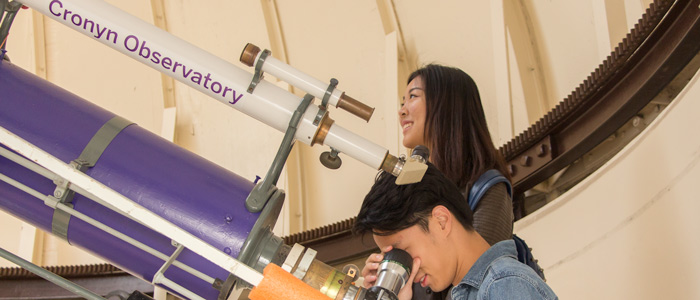
The upstairs observing floor is home to the original observatory telescopes. The newly painted purple 1940 25.4cm refracting telescope built by Perkin Elmer Corporation of New York is still the second largest refractor in Canada next to the 38cm Brashear refractor of the Canadian Museum of Science and Technology (closed for repairs til 2017) in Ottawa. On the observing floor volunteers had also set up many of the telescopes that are normally used on the outside deck. These included the 90mm Coronado solar telescope, the 20cm Meade Schmidt-Cassegrain, the 25.4cm Dob, and Paul’s 23.5cm Schmidt-Cassegrain scope. Helping on the observing floor were Paul Kerans, Everret Clark, Steve Gauthier, Peter Jedicke, Dale Armstrong, and Henry Leparskas.
In between bouts of Scotch mist the dome was opened and the 25.4cm refractor as well as the Dob were pointed at various towers and construction cranes in the distance.
In the downstairs ‘black room’, Tricia Colvin, beautifully attired in period garb, showed visitors a real life demonstration of how the photo sensor of a space telescope can detect extrasolar planets via the transit method.
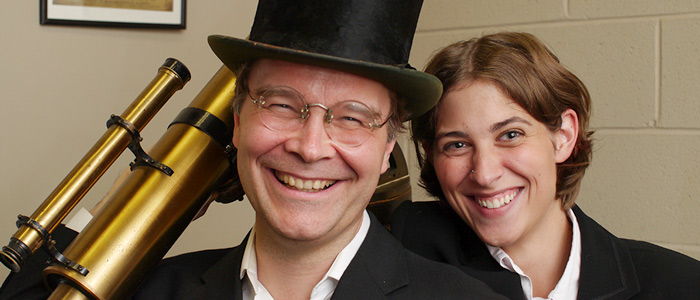
In the 1940 period room, Mark Tovey, dressed as the late Professor Harold R. Kingston, gave tours of observatory’s treasured historic artificats. These include Kingston’s original brass refracting telescope, a 19th century French noonday cannon, and models such as the Sotellunium which were hand built on premises by the retired Rev. William Colgrove and Harold R. Kingston, and much more. Dale Armstrong and Henry Leparskas also gave tours of the period room to small groups of visitors.
At 19:00 Peter Jedicke, Honorary President of the Royal Astronomical Society of Canada, gave a fascinating 40 minute lecture titled, “The Hume Cronyn Memorial Observatory: A Brief History”.
Reluctantly, after such a wonderful day of hosting so many curious visitors, the observatory was closed at 10pm.
Earlier this year I visited the United Arab Emirates (UAE) and spent part of my time there as a visitor at Sharjah University. Sharjah is one of the seven emirates that make up the UAE. I also visited the more well known emirate of Dubai. This was a very enlightening trip for me to a part of the world I had never visited before, and I found many opportunities emerging there.
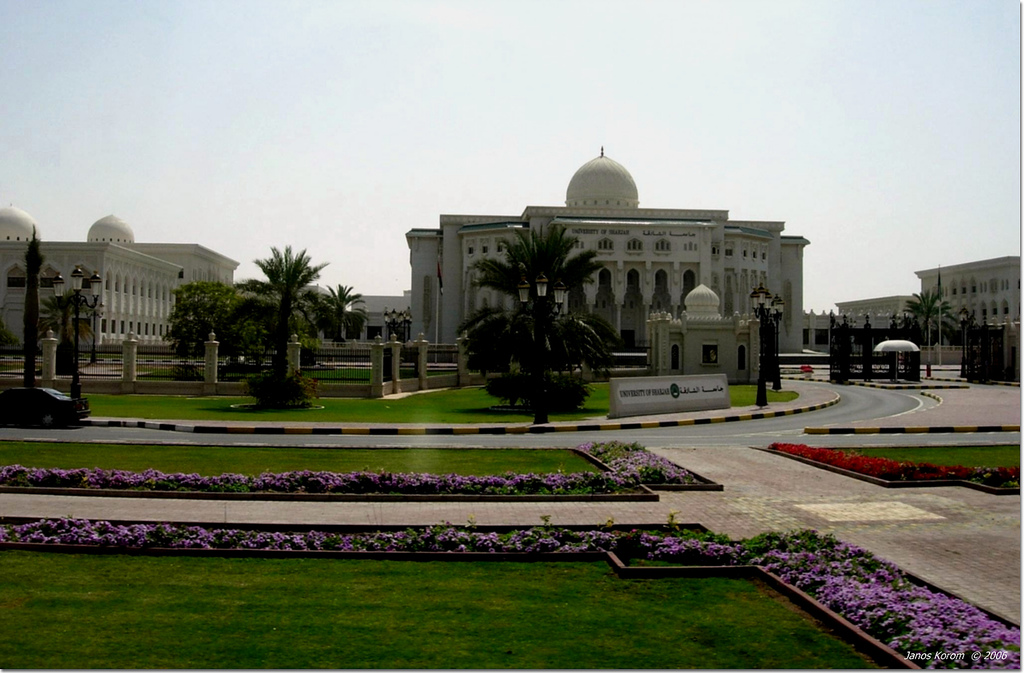
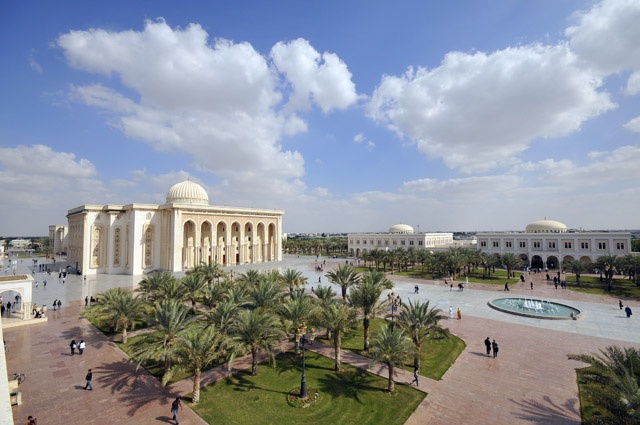
I was a guest of the Department of Applied Physics (now renamed to Department of Applied Physics and Astronomy – more on that later). Sharjah has historically been a hub for education in the UAE, and one cannot help but be in awe of the sprawling campuses and imposing white arabesque architecture of Sharjah University and the neighboring American University of Sharjah.
Sharjah UniversityAmerican University of Sharjah
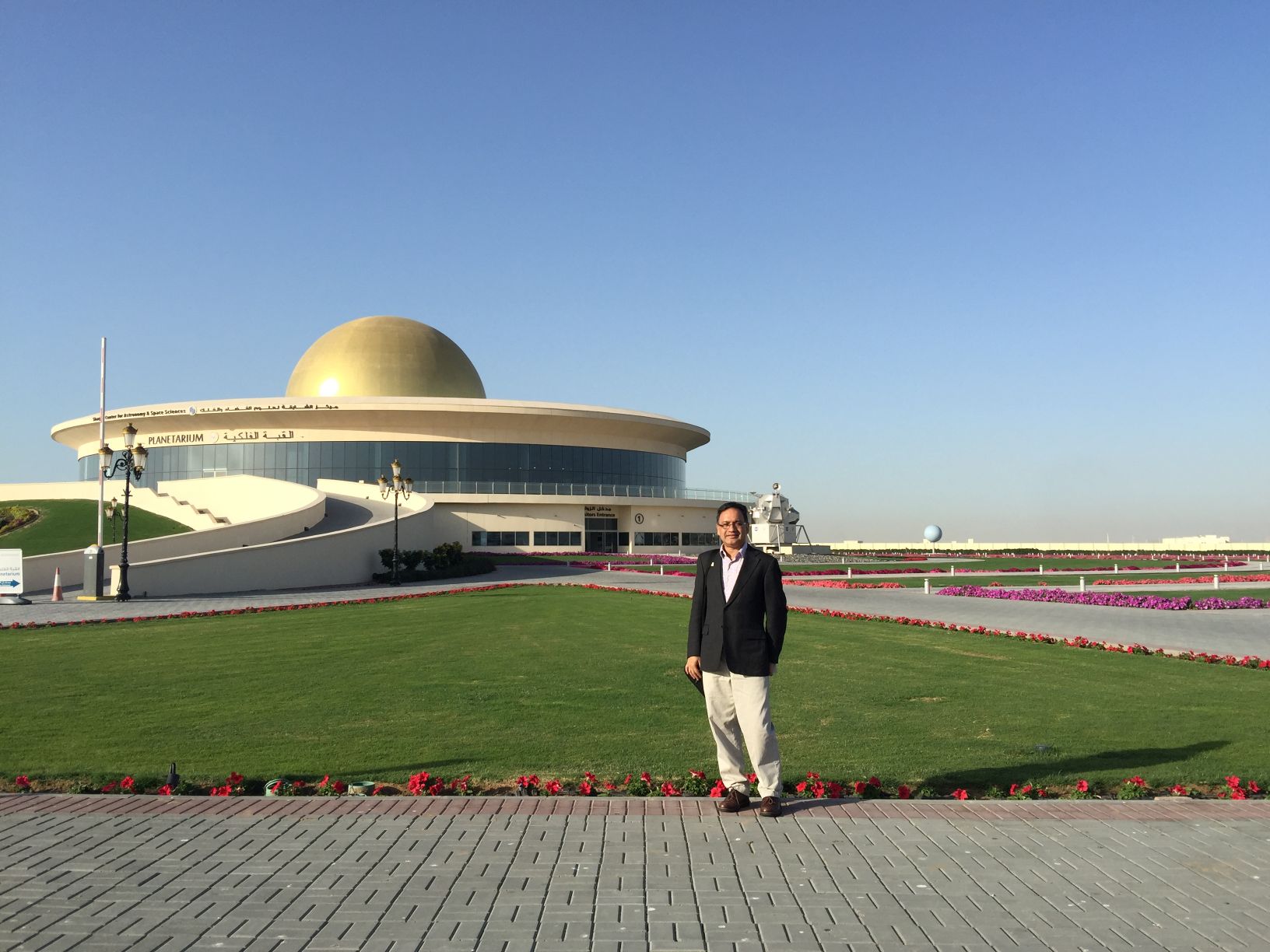
Hospitality to guests is an important part of the culture in this part of the world and I truly appreciated the warm greetings from a wide range of people, including Dean of Science Dr. Majid Merabti, Chair of Applied Physics Dr. Gaffar Attaelmanan, and many other faculty and some very eager students. Dr. Merabti highlighted how Sharjah University is trying to make the transition to a research intensive university. The highlight of my stay was to visit the newly built and sparkling Sharjah Center for Astronomy and Space Sciences, which houses a planetarium and space science museum. I was hosted by its Manager Dr. Ilias Fernini and gave a public lecture on The Life and Death of Stars. This was a first-time experience for me in two ways – I was speaking inside a planetarium with my slides projected onto a side of the dome, and my talk was being translated in real time as I spoke! The translation into Arabic was done very ably by the Planetarium Manager Marwan Shwaiki. About half the audience was listening to me directly and the other half had headphones and listened to Marwan’s translation. I also learned that many of the faculty and staff members are in the UAE on work visas and originate from other countries. I met faculty members from Algeria, Egypt, Jordan, Palestine, Sudan, and even…Canada! There are several citizens or PR holders of Canada amongst the faculty members.
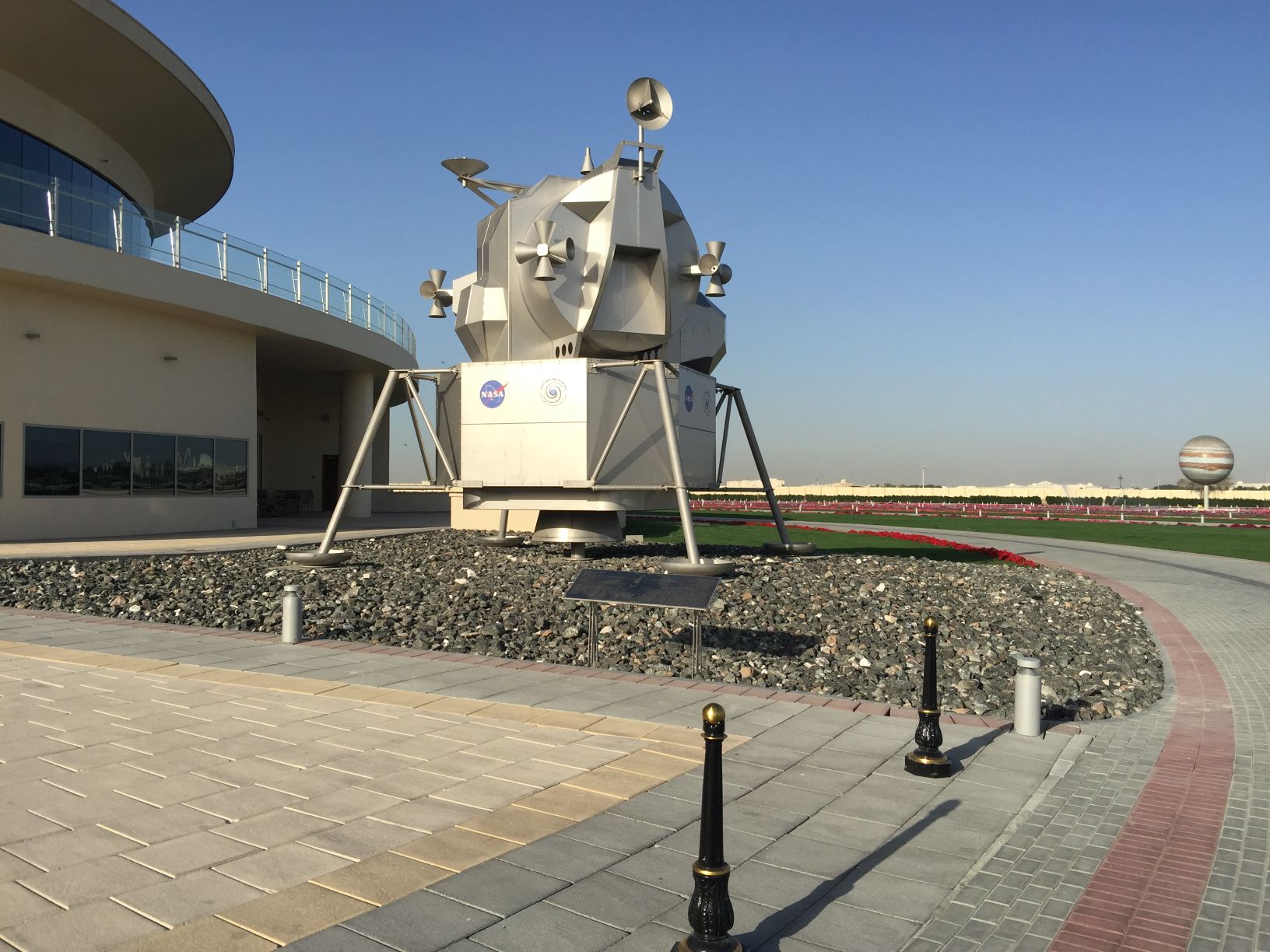
The Sharjah Center for Astronomy and Space SciencesThe replica moon lander outside SCASS looks eerily at home on a desert landscape
I toured the Advanced Material Research Laboratory, which is available for 4th year physics undergraduate students and houses an x-ray diffraction system, a scanning electron microscope, and a Fourier Transform Infrared Spectrometer. Quite impressive, and I wish we could offer equivalent instructional facilities at Western University. But why is there a space science museum and planetarium? The answer seems to lie with a major new initiative in the UAE: the Emirates Mars Mission. I have to admit I had not heard about this before my visit. The Sheikhs of the UAE have decided that they would like to send a Mars orbiter that will arrive at the Red Planet in 2021, to mark the 50th anniversary of the founding of the UAE. The scientific value added in this mission is the plan to make the most extensive map of the Martian atmosphere and to track weather on the Red Planet. This initiative has led to a surge in engineering and aerospace activity and also an interest in funding both space science and astronomy research. The planetarium is but one manifestation of this new focus. Even the Department of Applied Physics at Sharjah University has now added Astronomy to its department name. New faculty positions are to come. New research funding opportunities are available for those who can make the right connections, and basic astronomy research is also being funded. It’s a wise decision for foreign researchers to see if they can collaborate with UAE scientists for mutual benefit. Furthermore, there are additional opportunities in the region. Next door to UAE there are impressive funds available through the Qatar Foundation, and Saudi Arabia is dramatically increasing funding of higher education and science and technology research, evidenced by the King Abdullah University for Science and Technology.
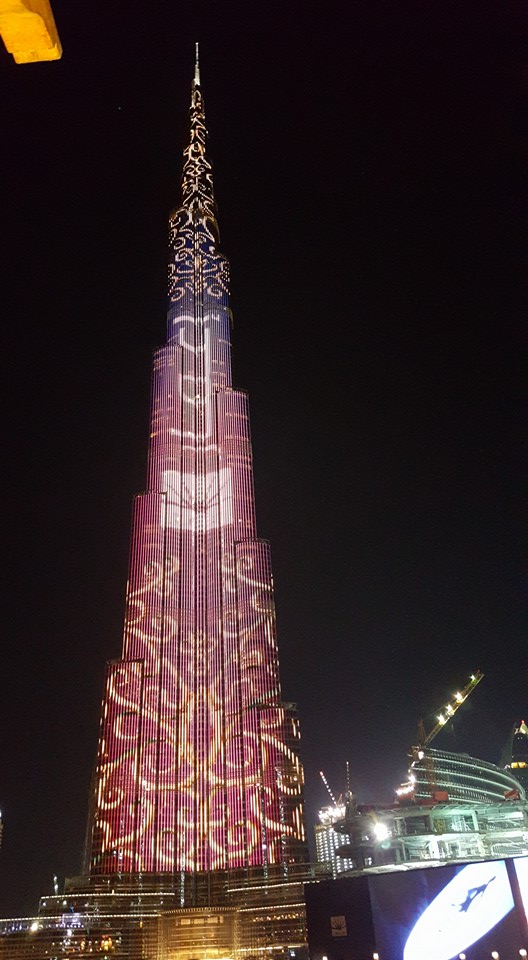
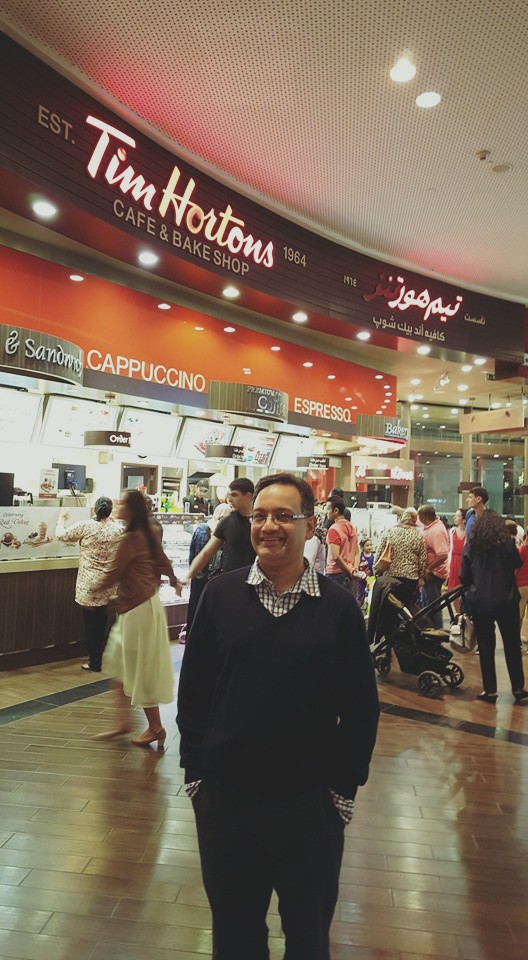
I spent a few days in Dubai, which is now one of the world’s great multicultural hubs, with a large expatriate population that significantly outnumbers the local population. Walking around the city center amongst gleaming skyscrapers one can hear a multitude of languages, e.g., Arabic, Bengali, English, French, German, Hindi, Malayalam, Russian, Tagalog, or Urdu. People seem to be enjoying themselves with extensive options for shopping, dining out, and nightlife. Some but not all restaurants have liquor licenses. Men and women seem to dress as they might back in their home countries and women drivers are a common sight, unlike in neighboring Saudi Arabia. Enjoying the temperate February evening breeze at an outdoor cafe by the Burj Khalifa, the world’s tallest building, I was experiencing something completely new. I could order a meal in Bengali while sitting under skyscrapers on a riverfront resembling Chicago, and watch a night fountain and light show set to iconic American themes like the soundtrack of The Magnificent Seven and Michael Jackson’s Thriller. Gasp, there was even an outlet of Tim Hortons nearby. I was getting confused about where I was. But wait, this is exactly the uniqueness of the UAE experience! Wherever you are from, you may find a bit of your background here, and learn about that of others, with Arabia as your backdrop.
Although I also spent part of my leave year at powerhouse places like Harvard and JPL/Caltech, and organized a winter school in India, this may be the most interesting story to share, for its novelty to many readers and at a time when when much of the news reporting from west Asia (yes, that’s preferable to a colonially inspired name like middle East) focuses on the grim events happening in other countries in the region.
The UAE has come a very long way in just half a century, from a sleepy outpost for date-growing and pearl-diving in the hottest part of the Arabian penisula where few people wanted to live, to a gleaming (and highly air-conditioned) center of international commerce. Some eighty-five percent of people in the UAE are foreigners living on work visas. The world has literally come to the UAE, from the armies of workers who power the construction and service industries, to the businesspeople looking to make their fortune, to those who have already made a fortune elsewhere and are enjoying the lifestyle here. The world is dealing with many effects of globalization, both good and bad, and a more complete perspective on global affairs can be obtained by visiting the unique hub that is the UAE. An interesting read on the history and current situation there can be found in the book Dubai, The Story of the World’s Fastest City, by Jim Krane, which takes a critical look at both the successes and the problems of the emirate. The UAE is now becoming an education hub for students from across Asia, and it wants to foster major engineering/science projects like the Mars Mission. It will be very interesting to track the UAE’s progress in these areas in the next decade and beyond.
The Burj Khalifa lit up at nightTim Hortons in Dubai, where you can order cardamom chai