
As everybody may have heard, one of our PDFs and a graduate student will participate in the new NASA Mars Science Laboratory Mission. Check out this interview with Dr. Alain Berinstain about the mission and Canada’s role in exploring Mars: http://www.cbc.ca/video/#/News/Technology_and_Science/1244504143/ID=2171047166
Monthly Archives: November 2011
Mars Curiosity Launches Successfully! @MarsCuriosity
NASA has launched the world’s biggest robotic explorer yet into space.
The agency’s latest Mars rover – a six-wheeled, one-armed robot – took off Saturday morning from a launch pad in Cape Canaveral, Fla.
It was up to an unmanned Atlas V rocket to do the heavy lifting and launch the rover on an eight-and-a-half month voyage to the Red Planet.
“I HAVE LIFTOFF!” read a message posted to the explorer’s Twitter account as the actual rover hurtled into the sky.
The rover, named Curiosity, is equipped with a mobile laboratory which will come in handy during its mission sampling soil and rocks on Mars.
“It is by far the most sophisticated vehicle we have ever sent to Mars,” Paul Delaney, a York University astronomy professor, told CTV News Channel on Saturday.
Curiosity is tasked with scouring the Red Planet for evidence of microbial life, a quest that costs roughly USD$2.5 billion.
Part of the reason the cost is so steep, said Delaney, is because the project has run over its scheduled timeline.
“If you’re going to make that kind of investment in trying to understand Mars, you want it to work properly,” said Delaney.
“NASA pushed the timeline to make sure they could prepare the vehicle as thoroughly and as completely as they possibly could.”
Earlier Saturday morning, NASA had reported some concern over cloudy weather conditions. But those concerns were quelled moments later.
“The forecasters declared conditions are now “GO” for launch after the clouds over the launch site scattered enough to allow a launch,” a representative from NASA’s Kennedy Space Center wrote in a message posted to Twitter.
Curiosity is expected to land in Gale Crater, a 154-kilometre-diameter area on the Red Planet.
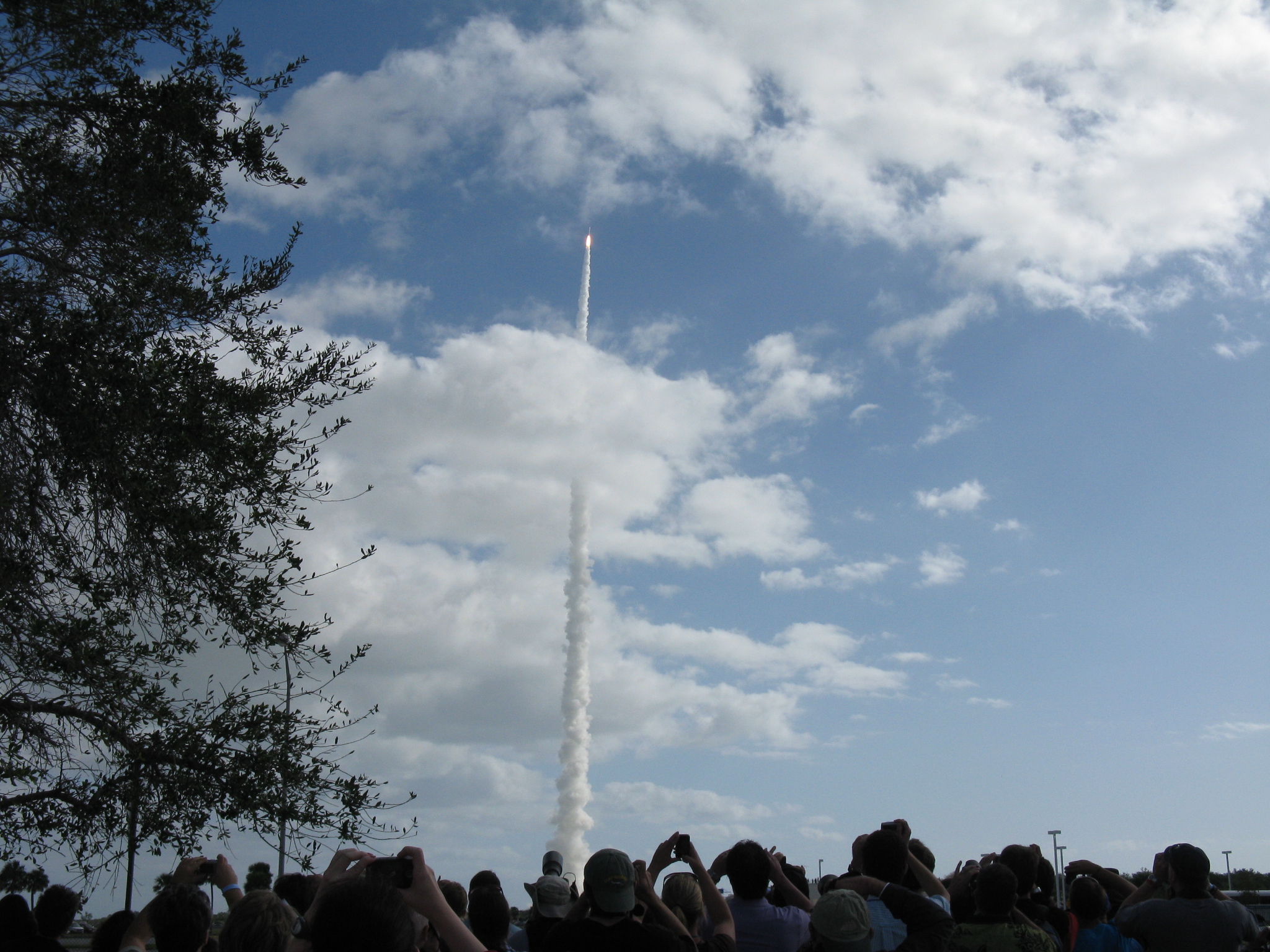
Phot of the MSL launch taken by Dr. Phil McCausland.
Open house at the Cronyn Observatory @westernu tonight 7–9pm! Come out for stars & astronomers!
PhD Public Lecture (Physics) – FRI. 9th Dec. @ 1 p.m. – ALI HATEF
Department of Physics and Astronomy
PhD Public Lecture
Ali Hatef
Supervisor: Dr. Mahi Singh
“Quantum Coherence and Interference in Metallic Photonic Crystals and Hybrid Systems”
DATE: FRIDAY, 9th December 2011
TIME: 1:00 p.m.
PLACE: Physics & Astronomy Room 22
All are welcome to attend.
Physics & Astronomy Colloquium @Westernu – Thurs. 8th Dec. – DR. NAZIR KHERANI, UofT
Poster: http://www.physics.uwo.ca/colloquia/Colloquia%20Notices/2011_2012/KHERANI%20Colloquium.pdf
PHYSICS & ASTRONOMY COLLOQUIUM
Date: Thursday, 8th December 2011
Time: 1:30 p.m.
Location: Physics & Astronomy Seminar Room 22
Dr. Nazir P. Kherani
Electrical and Computer Engineering
University of Toronto
“Photovoltaic –Photonic Crystal Interplay”
ABSTRACT
On the steps of Volta’s discovery of the voltaic effect in 1800 and Becquerel’s discovery of the photovoltaic effect in 1839, followed more than a 100 years of research before scientists at Bell Laboratories developed the first silicon pn junction photovoltaic device. In the intervening 60 years great strides have been made in the field of photovoltaics (PV). Today it is recognized that PV can become a significant component of sustainable terrestrial energy sources. It is non‐polluting, environment friendly, and its fuel is distributed relatively uniformly and is free.
However, with the continual drive towards grid‐parity and thus reduction of cost per peak watt, a range of novel approaches are being pursued which offer the potential combination of reduction in material and processing costs and maximal solar utilization. In this context, photonic crystals present interesting light propagation control that could make them amenable to novel photovoltaic‐photonic crystal integrations. Recently, we have proposed a novel class of photonic crystals, called selectively transparent and conducting photonic crystals (STCPCs). These STCPCs, a significant advance over existing 1D PCs, combine intense wavelength selective broadband reflectance with the transmissive and electrically conductive properties of sputtered transparent conducting oxides. This integration of optical and electrical functionalities into a single device element has opened the way for performance enhancement in a range of optoelectronic devices including photovoltaics.
The talk will provide an overview of photovoltaics, highlighting a range of device material systems and cell concepts and their associated strengths and challenges. The presentation will then focus on our recent studies on the potential use of photonic crystals in PV devices, with an emphasis on their application in thin film silicon solar cells; specifically, their application of selectively transparent and conducting photonic crystals in photovoltaics and allied devices will be underlined. Allied investigations into low‐cost high‐efficiency ultra‐thin silicon photovoltaics and recent laser-assisted synthesis of tailorable light trapping patterns in silicon will also be presented.
 |
Coffee & cookies will be available, courtesy of

situs toto
kampungbet
slot gacor
kampungbet
situs toto
kampungbet
situs toto
bandar togel
link gacor
link gacor
link gacor
kampungbet
kampungbet
situs toto
situs gacor
toto togel
situs toto
situs toto
kampungbet
kampungbet
kampungbet
situs togel
kampungbet
togel online
situs gacor
situs toto
situs toto
kampungbet
kampungbet
link gacor
situs toto
situs toto
situs toto
situs toto
situs toto
kampungbet
kampungbet
kampungbet
kampungbeto
kampungbet
kampungbet
kampungbet
link gacor
situs toto
situs toto
kampungbet
situs toto
situs toto
kampungbet
kampungbet
situs toto
kampungbet
kampungbet
situs toto
kampungbet
slot gacor
kampungbet
situs toto
kampungbet
situs toto
bandar togel
link gacor
link gacor
link gacor
kampungbet
kampungbet
situs toto
situs gacor
toto togel
situs toto
situs toto
kampungbet
kampungbet
kampungbet
situs togel
kampungbet
togel online
situs gacor
situs toto
situs toto
kampungbet
kampungbet
link gacor
situs toto
situs toto
situs toto
situs toto
situs toto
kampungbet
kampungbet
kampungbet
kampungbeto
kampungbet
kampungbet
kampungbet
link gacor
situs toto
situs toto
kampungbet
situs toto
situs toto
kampungbet
kampungbet
situs toto
kampungbet
kampungbet
situs toto
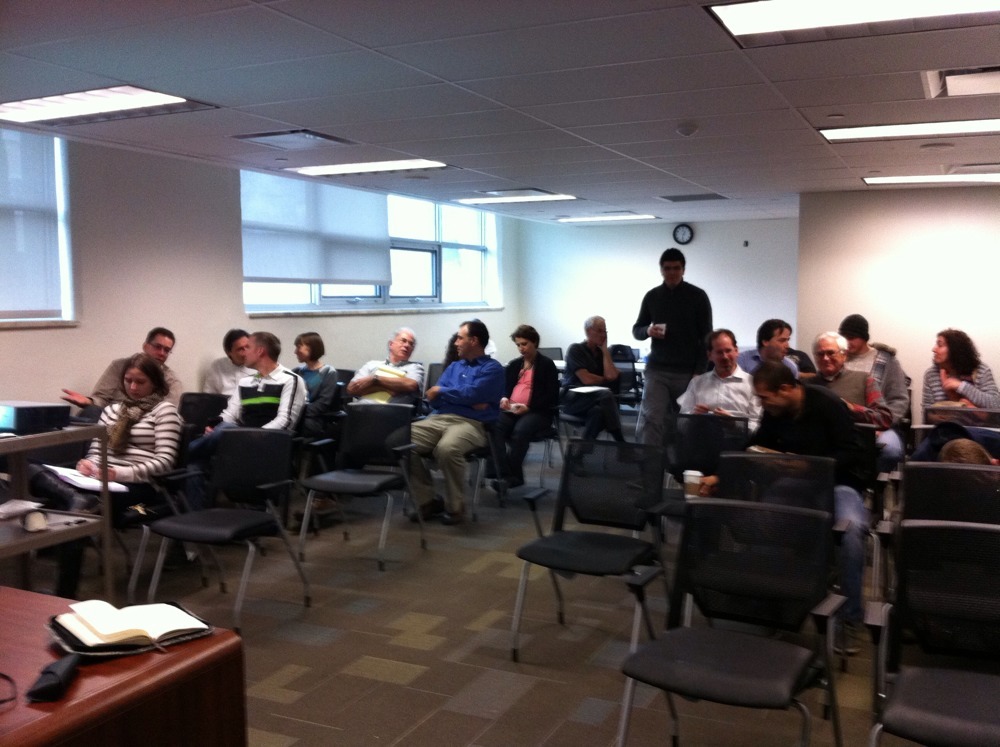
We’re gathered as a Department to see how @posterous can help people learn more about what we do in Phys & Astro #westernu
situs toto
kampungbet
slot gacor
kampungbet
situs toto
kampungbet
situs toto
bandar togel
link gacor
link gacor
link gacor
kampungbet
kampungbet
situs toto
situs gacor
toto togel
situs toto
situs toto
kampungbet
kampungbet
kampungbet
situs togel
kampungbet
togel online
situs gacor
situs toto
situs toto
kampungbet
kampungbet
link gacor
situs toto
situs toto
situs toto
situs toto
situs toto
kampungbet
kampungbet
kampungbet
kampungbeto
kampungbet
kampungbet
kampungbet
link gacor
situs toto
situs toto
kampungbet
situs toto
situs toto
kampungbet
kampungbet
situs toto
kampungbet
kampungbet
situs toto
kampungbet
slot gacor
kampungbet
situs toto
kampungbet
situs toto
bandar togel
link gacor
link gacor
link gacor
kampungbet
kampungbet
situs toto
situs gacor
toto togel
situs toto
situs toto
kampungbet
kampungbet
kampungbet
situs togel
kampungbet
togel online
situs gacor
situs toto
situs toto
kampungbet
kampungbet
link gacor
situs toto
situs toto
situs toto
situs toto
situs toto
kampungbet
kampungbet
kampungbet
kampungbeto
kampungbet
kampungbet
kampungbet
link gacor
situs toto
situs toto
kampungbet
situs toto
situs toto
kampungbet
kampungbet
situs toto
kampungbet
kampungbet
situs toto
TOMORROW – PAULINE BARMBY’s Public Talk @Westernu to celebrate the 2011 Nobel Prize in Physics

REMINDER:
To celebrate the 2011 Nobel Prize in Physics
Dr. Pauline Barmby presents
“The Accelerating Universe”
TOMORROW!
Wednesday, 23rd November
5:30 p.m. in Western Science Centre room 240
(Poster attached)
situs toto
kampungbet
slot gacor
kampungbet
situs toto
kampungbet
situs toto
bandar togel
link gacor
link gacor
link gacor
kampungbet
kampungbet
situs toto
situs gacor
toto togel
situs toto
situs toto
kampungbet
kampungbet
kampungbet
situs togel
kampungbet
togel online
situs gacor
situs toto
situs toto
kampungbet
kampungbet
link gacor
situs toto
situs toto
situs toto
situs toto
situs toto
kampungbet
kampungbet
kampungbet
kampungbeto
kampungbet
kampungbet
kampungbet
link gacor
situs toto
situs toto
kampungbet
situs toto
situs toto
kampungbet
kampungbet
situs toto
kampungbet
kampungbet
situs toto
kampungbet
slot gacor
kampungbet
situs toto
kampungbet
situs toto
bandar togel
link gacor
link gacor
link gacor
kampungbet
kampungbet
situs toto
situs gacor
toto togel
situs toto
situs toto
kampungbet
kampungbet
kampungbet
situs togel
kampungbet
togel online
situs gacor
situs toto
situs toto
kampungbet
kampungbet
link gacor
situs toto
situs toto
situs toto
situs toto
situs toto
kampungbet
kampungbet
kampungbet
kampungbeto
kampungbet
kampungbet
kampungbet
link gacor
situs toto
situs toto
kampungbet
situs toto
situs toto
kampungbet
kampungbet
situs toto
kampungbet
kampungbet
situs toto
Should #westernu be more bike friendly? Imagine2022 | @westernu path to sustainability
Please participate in this forum and vote for ideas to make Western a more sustainable environment. Currently most popular: a bike-friendly campus (see below), but there are plenty of other ones, have a look!
28 votes
This idea is active.Report Abuse Report Duplicate your sustainability wish for Western »
Bike-friendly
There are a number of ways the campus could be made more bike-friendly: undercover bike parking, end-of-trip facilities close to workplaces (so …more »
There are a number of ways the campus could be made more bike-friendly: undercover bike parking, end-of-trip facilities close to workplaces (so cyclists can shower off the sweat when they arrive), more careful construction of cycle lanes that reflect commonly-used cycle routes(e.g. through Brescia, extending 2-way cycle lane past Physics and Astronomy and Nat Sci), cyclist-activated signals at traffic lights). UBC would provide an excellent role model in this regard, and 9 months of the year their weather is *less* cycle-friendly than London’s!
« less full details »
Submitted by Brent Sinclair 11 days ago
I agree18 votes
This idea is active.
situs toto
kampungbet
slot gacor
kampungbet
situs toto
kampungbet
situs toto
bandar togel
link gacor
link gacor
link gacor
kampungbet
kampungbet
situs toto
situs gacor
toto togel
situs toto
situs toto
kampungbet
kampungbet
kampungbet
situs togel
kampungbet
togel online
situs gacor
situs toto
situs toto
kampungbet
kampungbet
link gacor
situs toto
situs toto
situs toto
situs toto
situs toto
kampungbet
kampungbet
kampungbet
kampungbeto
kampungbet
kampungbet
kampungbet
link gacor
situs toto
situs toto
kampungbet
situs toto
situs toto
kampungbet
kampungbet
situs toto
kampungbet
kampungbet
situs toto
kampungbet
slot gacor
kampungbet
situs toto
kampungbet
situs toto
bandar togel
link gacor
link gacor
link gacor
kampungbet
kampungbet
situs toto
situs gacor
toto togel
situs toto
situs toto
kampungbet
kampungbet
kampungbet
situs togel
kampungbet
togel online
situs gacor
situs toto
situs toto
kampungbet
kampungbet
link gacor
situs toto
situs toto
situs toto
situs toto
situs toto
kampungbet
kampungbet
kampungbet
kampungbeto
kampungbet
kampungbet
kampungbet
link gacor
situs toto
situs toto
kampungbet
situs toto
situs toto
kampungbet
kampungbet
situs toto
kampungbet
kampungbet
situs toto
PASA 2011 soccer season was a success !
The PASA soccer team ended its year making it to the quarter finals. [images]
situs toto
kampungbet
slot gacor
kampungbet
situs toto
kampungbet
situs toto
bandar togel
link gacor
link gacor
link gacor
kampungbet
kampungbet
situs toto
situs gacor
toto togel
situs toto
situs toto
kampungbet
kampungbet
kampungbet
situs togel
kampungbet
togel online
situs gacor
situs toto
situs toto
kampungbet
kampungbet
link gacor
situs toto
situs toto
situs toto
situs toto
situs toto
kampungbet
kampungbet
kampungbet
kampungbeto
kampungbet
kampungbet
kampungbet
link gacor
situs toto
situs toto
kampungbet
situs toto
situs toto
kampungbet
kampungbet
situs toto
kampungbet
kampungbet
situs toto
kampungbet
slot gacor
kampungbet
situs toto
kampungbet
situs toto
bandar togel
link gacor
link gacor
link gacor
kampungbet
kampungbet
situs toto
situs gacor
toto togel
situs toto
situs toto
kampungbet
kampungbet
kampungbet
situs togel
kampungbet
togel online
situs gacor
situs toto
situs toto
kampungbet
kampungbet
link gacor
situs toto
situs toto
situs toto
situs toto
situs toto
kampungbet
kampungbet
kampungbet
kampungbeto
kampungbet
kampungbet
kampungbet
link gacor
situs toto
situs toto
kampungbet
situs toto
situs toto
kampungbet
kampungbet
situs toto
kampungbet
kampungbet
situs toto
Help P&A Machinist Frank Vansas & his posse Raise Money to Fight Prostate Cancer
Physics and Astronomy Movember Gang

situs toto
kampungbet
slot gacor
kampungbet
situs toto
kampungbet
situs toto
bandar togel
link gacor
link gacor
link gacor
kampungbet
kampungbet
situs toto
situs gacor
toto togel
situs toto
situs toto
kampungbet
kampungbet
kampungbet
situs togel
kampungbet
togel online
situs gacor
situs toto
situs toto
kampungbet
kampungbet
link gacor
situs toto
situs toto
situs toto
situs toto
situs toto
kampungbet
kampungbet
kampungbet
kampungbeto
kampungbet
kampungbet
kampungbet
link gacor
situs toto
situs toto
kampungbet
situs toto
situs toto
kampungbet
kampungbet
situs toto
kampungbet
kampungbet
situs toto
kampungbet
slot gacor
kampungbet
situs toto
kampungbet
situs toto
bandar togel
link gacor
link gacor
link gacor
kampungbet
kampungbet
situs toto
situs gacor
toto togel
situs toto
situs toto
kampungbet
kampungbet
kampungbet
situs togel
kampungbet
togel online
situs gacor
situs toto
situs toto
kampungbet
kampungbet
link gacor
situs toto
situs toto
situs toto
situs toto
situs toto
kampungbet
kampungbet
kampungbet
kampungbeto
kampungbet
kampungbet
kampungbet
link gacor
situs toto
situs toto
kampungbet
situs toto
situs toto
kampungbet
kampungbet
situs toto
kampungbet
kampungbet
situs toto