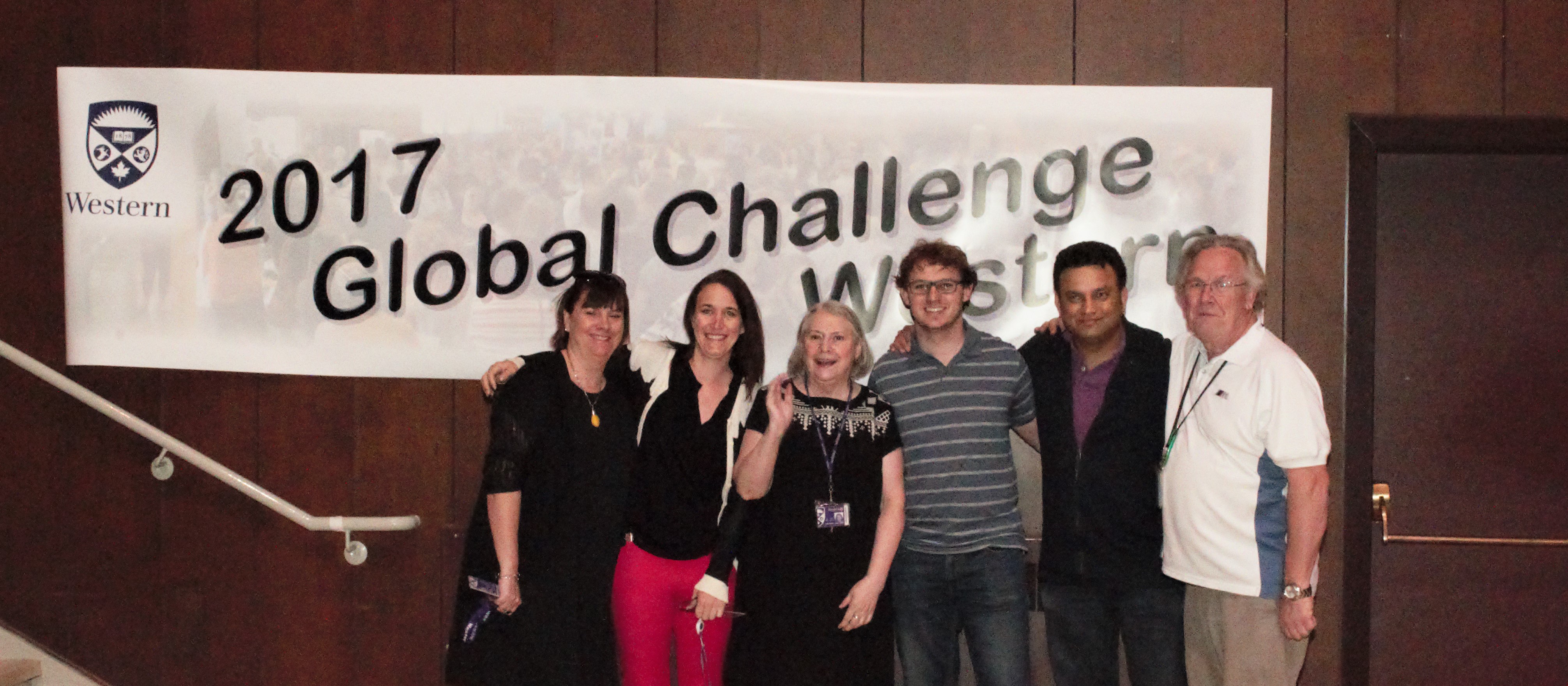
For a fourth year Western is taking part in the Global Corporate Challenge: a 100-day, world wide adventure where every step counts.
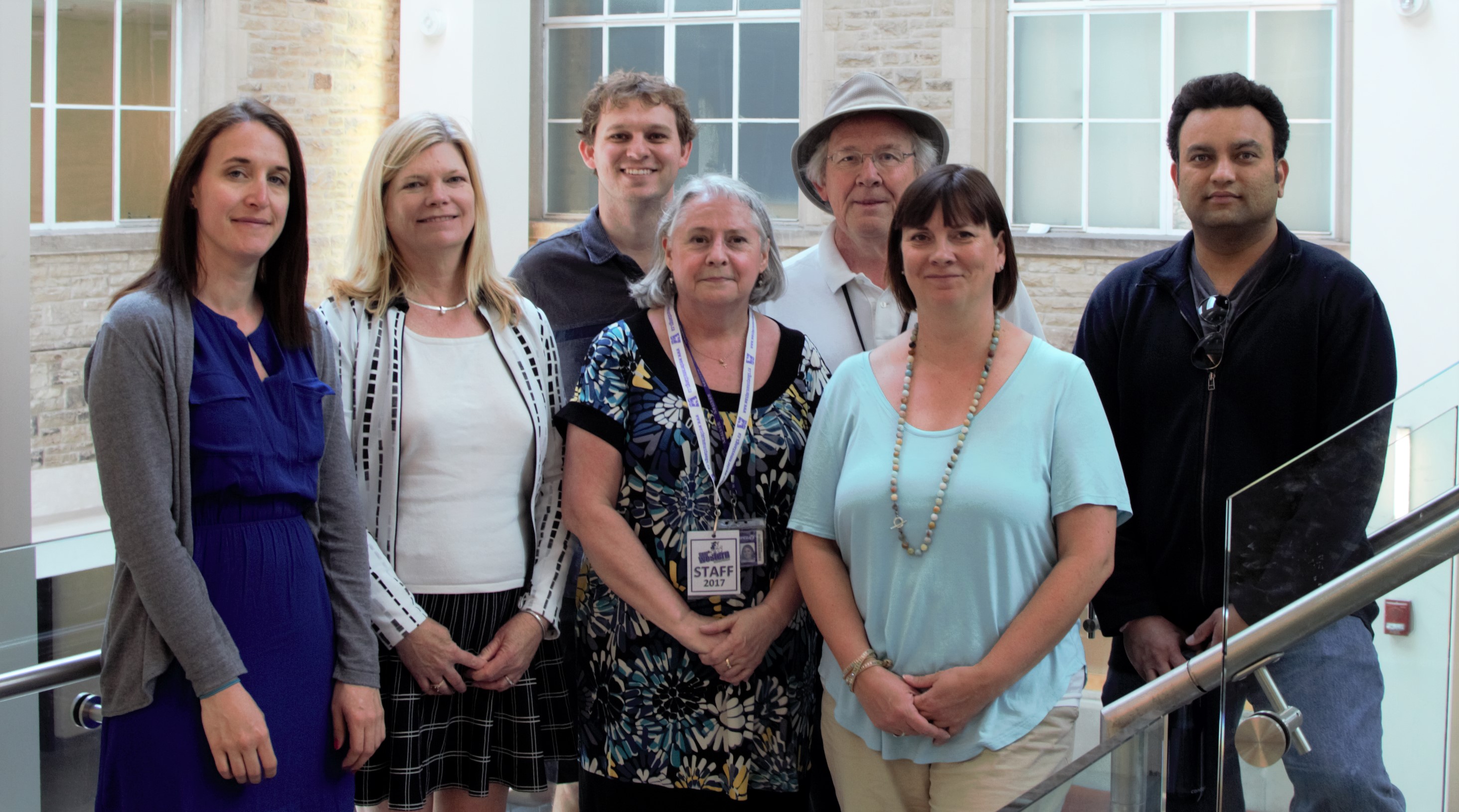
Seven intrepid individuals from Physics and Astronomy have stepped up to the challenge and formed a team to represent the department called “Phitness & Astronomy”
Our Team: Jennifer, Carol, Paul, Jodi, Phin, Emily and Shailesh.
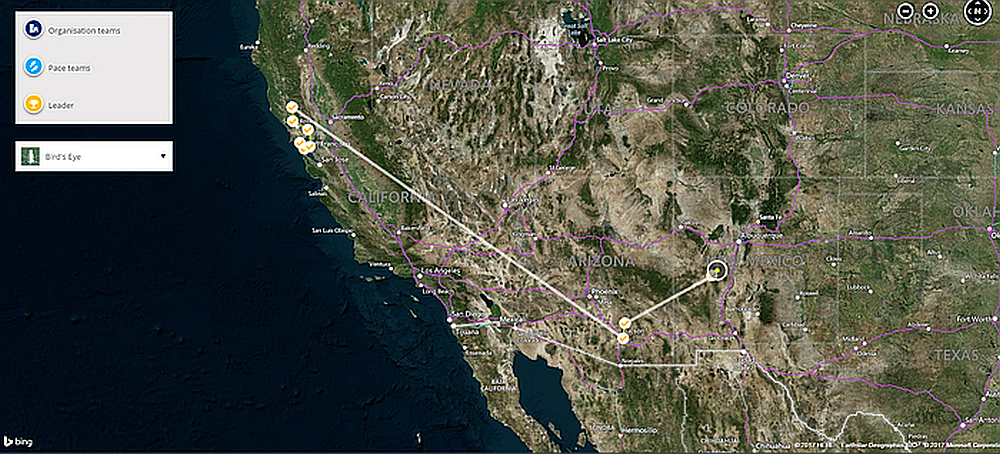
The challenge takes teams on a virtual tour around the world, each step in the real world counting for a step on their virtual tour. Our team began in Northern California and after only one week are currently crossing the New Mexico desert.
The adventure continues until September 1, and we wish our representatives all the best. Make P&A proud!
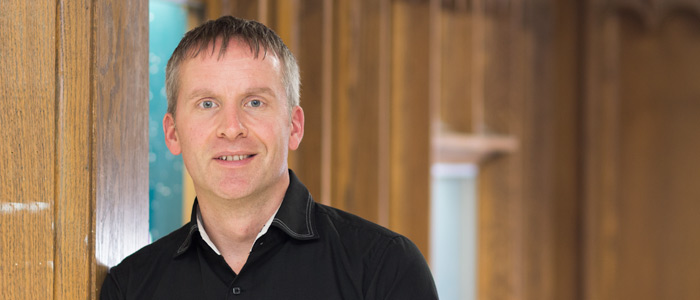
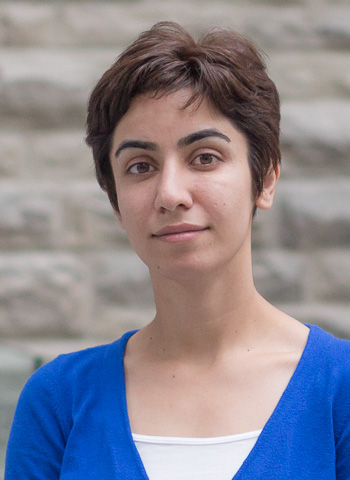
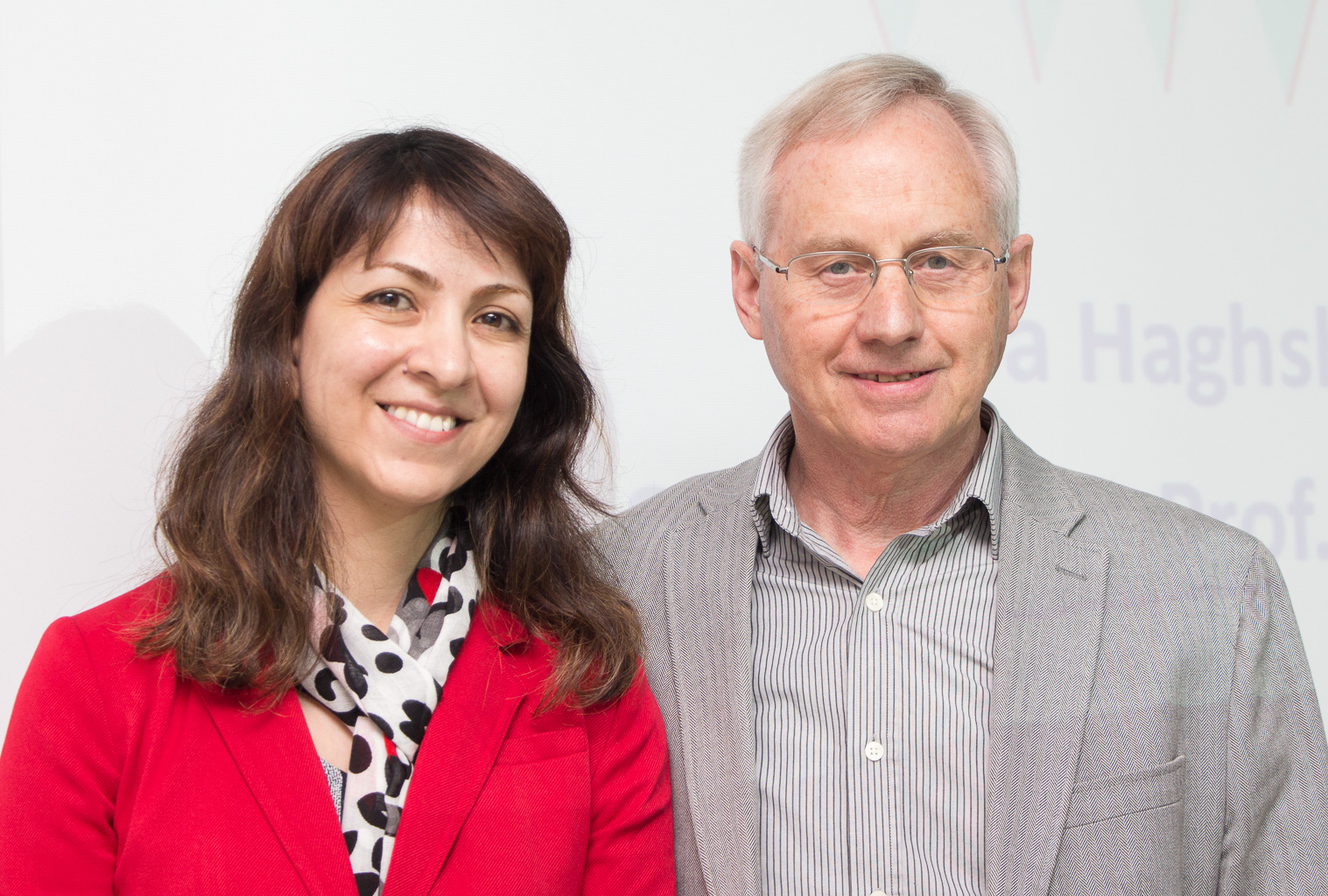
Groundbreaking work by Professor Mike Cottam and postdoc Dr. Zahra Haghshenasfard has been featured by the UK Institute of Physics (IoP). The news article appeared in the IoP’s blog JPhys+, which highlights the highest quality papers published in IoP Physics journals to increase visibility of the research. A link to the blog can be found by clicking here.
The paper deals with magnons, which represent the quantized “spin waves” of magnetic fluctuations and are the analogs of photons as the quanta of light. The theoretical analysis explores how quantum coherence can lead to drastic modifications in the magnon properties in low-dimensional materials, such as magnetic nanowires. The work has important implications for applications in signal processing with magnetic devices, magnetic-based computer memories, and fundamentals of quantum computing.
The reference for the journal paper, which was also a chapter in Zahra’s recently completed Ph.D. thesis, is Journal of Physics: Condensed Matter, volume 29, 195801 (2017).
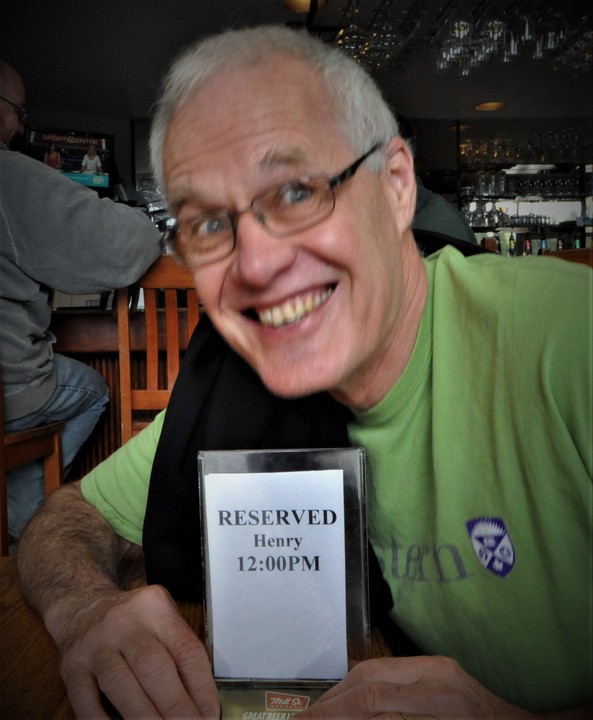
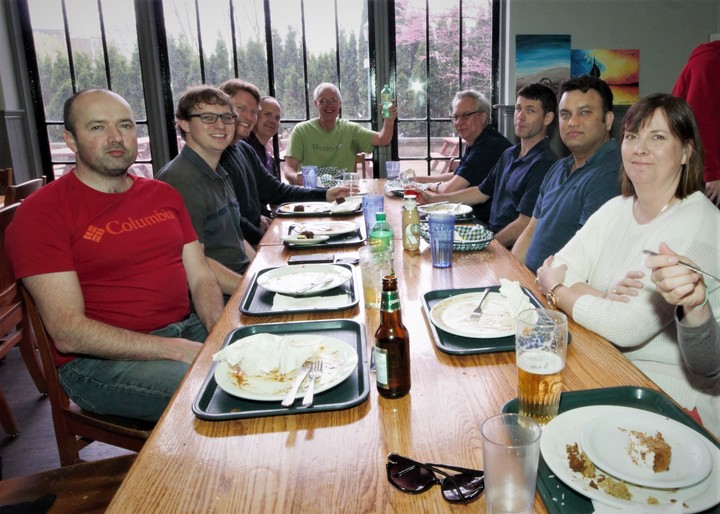
In honour of the department’s computer resource guru, Henry Leparskas’, impending retirement, an intimate lunch gathering was held on Wednesday May 10 at the Grad Club to say thanks and farewell.
Henry has been an invaluable member of the Physics and Astronomy team for 33 years, always willing to help solve any technical issue or volunteer with whatever event was happening and always had his camera handy to capture memories and document milestones for everyone in the department. Henry will be sorely missed, never forgotten and not easily replaced.
Henry’s final day of work will be Friday May 12. Everyone in the department wishes Henry all the best in his next chapter. Relax, have fun, and enjoy yourself. Happy retirement Henry!
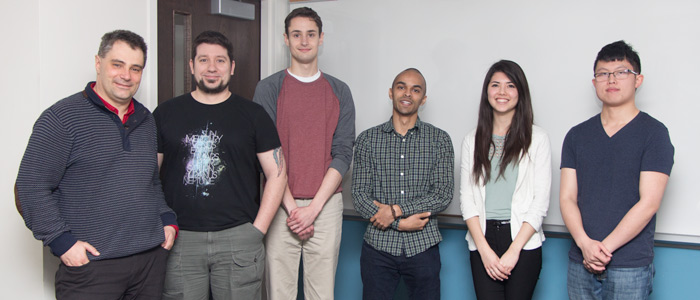
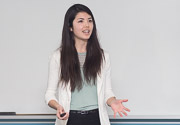
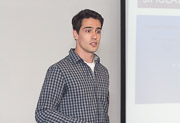
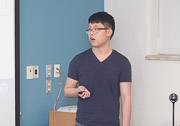
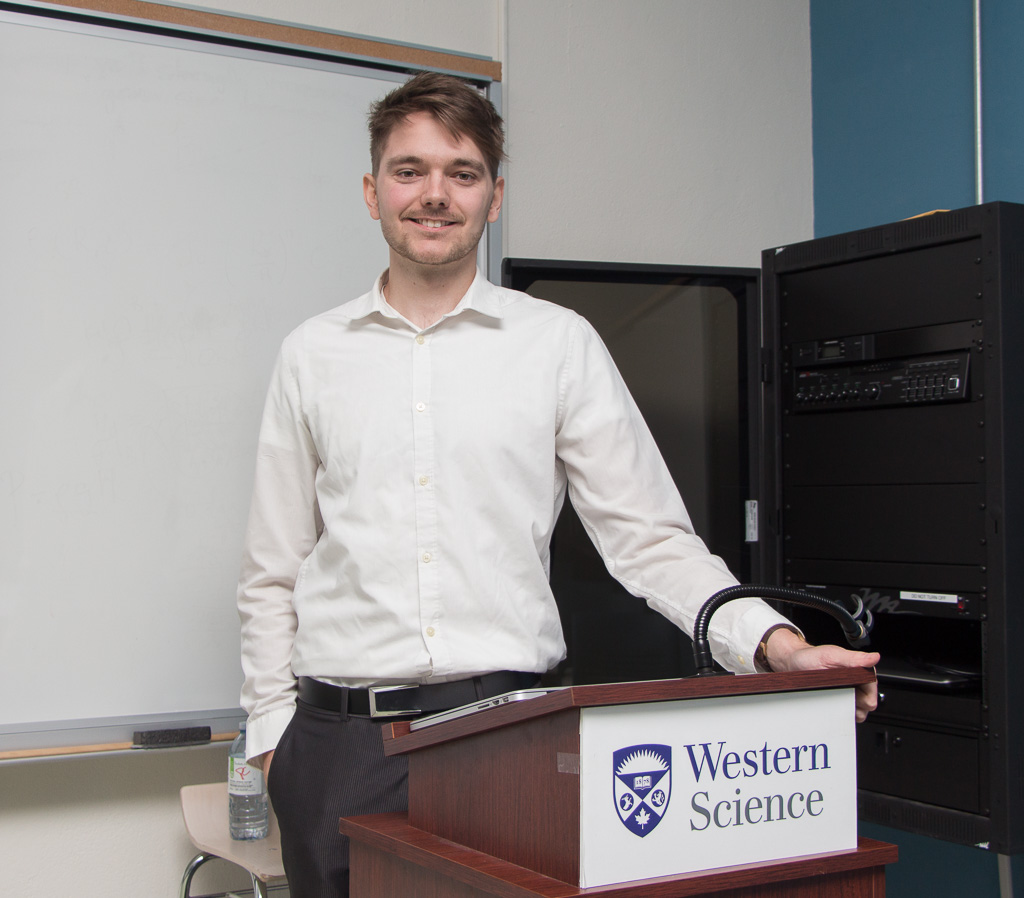
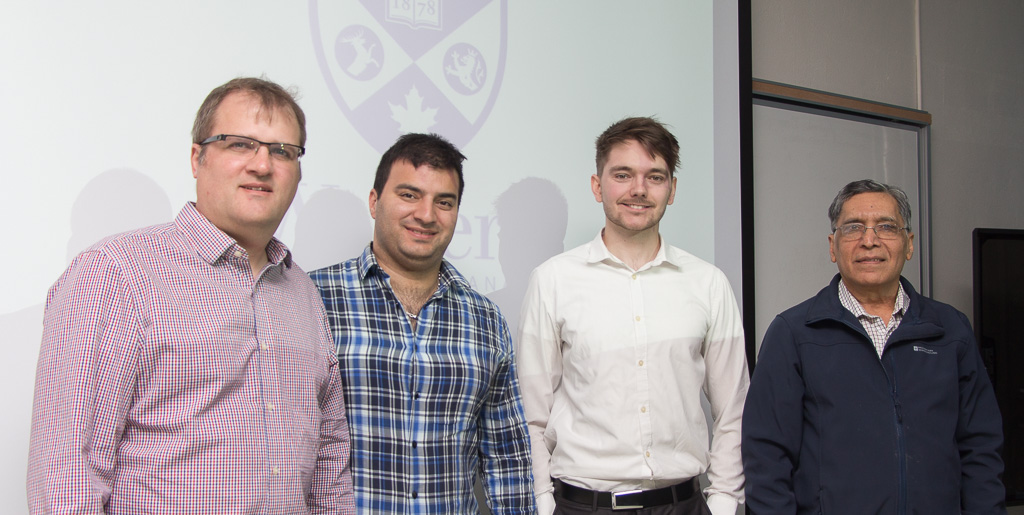
On Friday April 21, 2017 the members of the undergraduate thesis course, Physics 4999, presented their research talks. The course was overseen by Professor Giovanni Fanchini.
Abhilash Mathews
The role of superradiance in cosmic fast radio bursts
Patrick Hatch
The observability of Population III star clusters with the James Webb space telescope
Jason Sung
Probing star formation in the universe with carbonaceous molecules
Denis Heynen
Detection of very-low frequency radiation from fireballs
J. Sachi Elkerton
Metal loss of evolved stars in low-metallicity dwarf galaxies
Erin Iredale
Simulation of electric field from implanted electrodes for the treatment of primary brain tumors (via Skype)
Dylan Del Papa
Electric field transfer concept applied to an insulated metal wire exposed to a 21.3 MHz electric field
Renlong Zheng
Tuning the pore size and gas adsorption ability of MOFs via mixed linker and alkali metal doping
On Friday April 21, 2017, Bushra Hussain gave a public lecture on her thesis topic “Methods for Improved Estimation of Low Blood Velocities using Vector Doppler Ultrasound”.She then successfully defended the thesis.
Bushra (centre) was supervised by Dr. Tamie Poepping and Dr. James Lacefield.
On Wednesday April 19, 2017 Zahra Haghshenasfard gave a public lecture on her thesis topic “Linear and Nonlinear Dynamics of Spin Waves in Ferromagnetic Nanowires”. She then successfully defended the thesis.
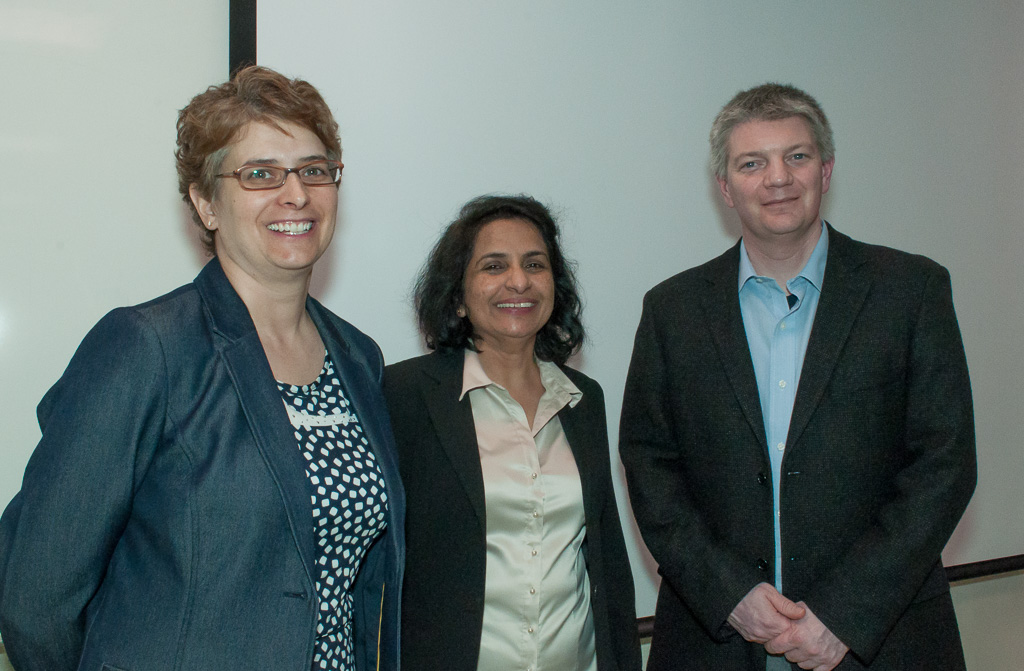
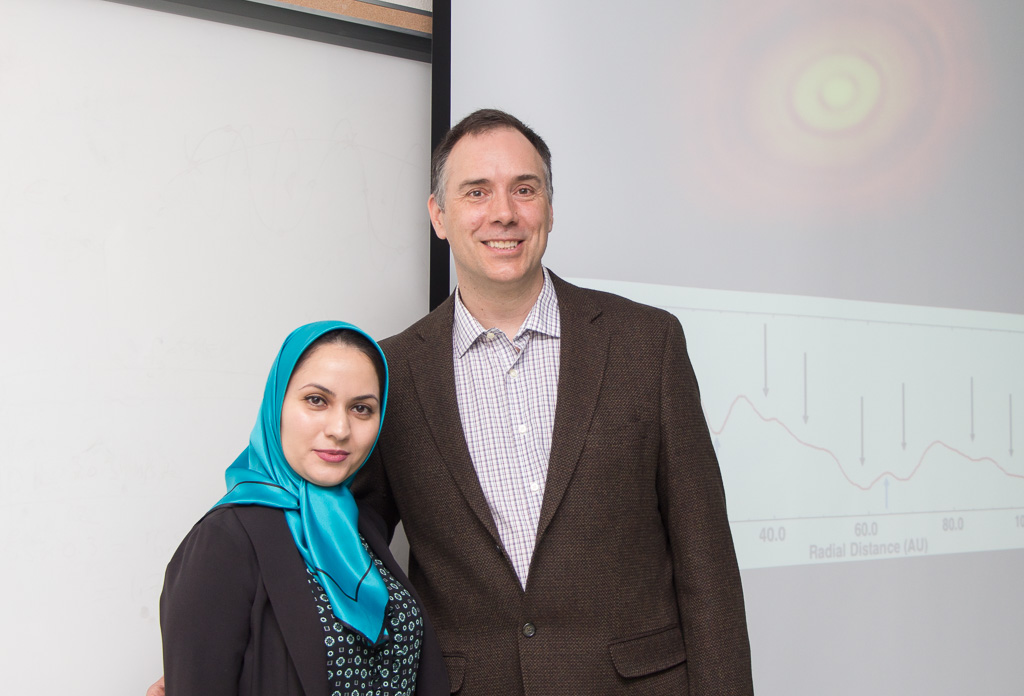
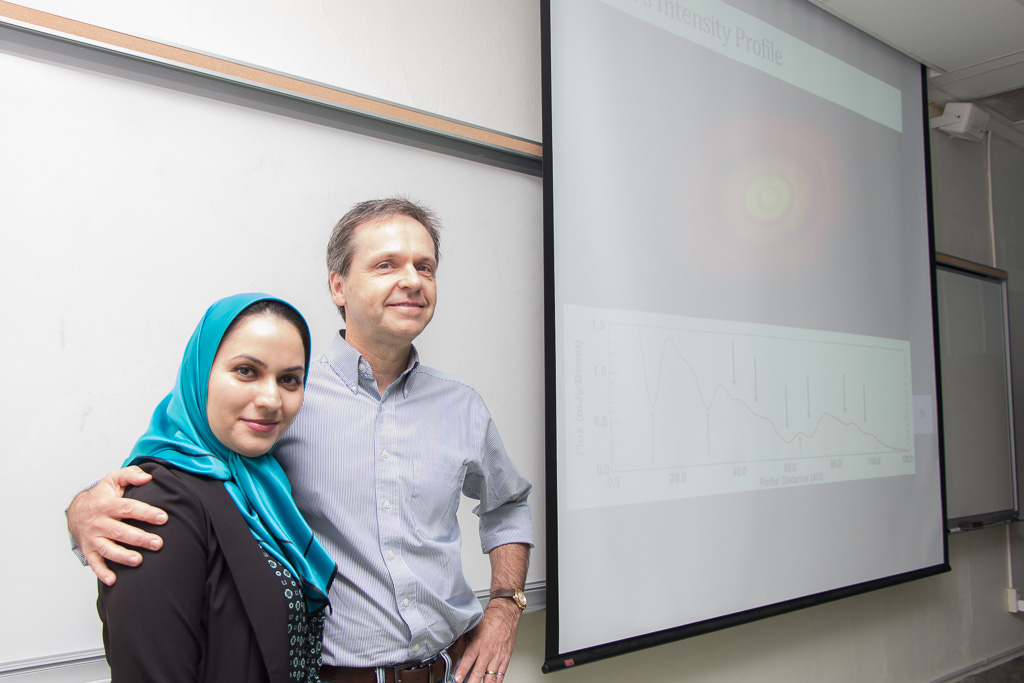
On Wednesday April 19, 2017 Maryam Tabeshian gave a public lecture on her thesis topic “Detection and Characterization of Extrasolar Planets through Planet-Disk Dynamical Interactions”. She then successfully defended the thesis.
Maryam was supervised by Dr. Paul Wiegert.
Maryam also acknowledged the assistance of Dr. Martin Houde who supervised her Masters research and with whom she began her doctoral studies.
We are so proud to announce that recent Western graduate Dr. Fereshteh Rajabi is the recipient of the 2017 Plaskett Medal.
Under the supervision of Dr. Martin Houde, Fereshteh did groundbreaking work in her thesis titled, “Dicke’s Superradiance in Astrophysics”.
The official citation reads as follows,
“CASCA is pleased to announce Dr. Fereshteh Rajabi as the 2017 recipient of the J. S. Plaskett Medal.
Dr. Rajabi completed her doctoral studies at the University of Western Ontario under the supervision of Dr. Martin Houde. Her thesis entitled “Dicke’s Superradiance in Astrophysics” extends the mathematical description of this intriguing physical process to many phenomena of astrophysical interest. Superradiance is a quantum mechanical and coherent behaviour between closely spaced atoms or molecules (i.e., several within a wavelength) that makes them, when certain conditions are met, emit radiation that is much more focused and intense than expected. Dr. Rajabi used superradiance to elegantly explain anomalous fluxes in the 21cm line of hydrogen atom and unexplained maser flares and bursts in the envelopes of evolved stars. She made fundamental physical advances that brought superradiance out of the lab and into an ever more surprising Universe. Her work has attracted worldwide attention not only in astrophysics, but also in the field of quantum optics.”
Fereshteh is now the third Western astronomer to be so honoured, following in the footsteps of Grant Hill (1994) and Peter Brown (2001).



 Maryam also acknowledged the assistance of Dr. Martin Houde who supervised her Masters research and with whom she began her doctoral studies.