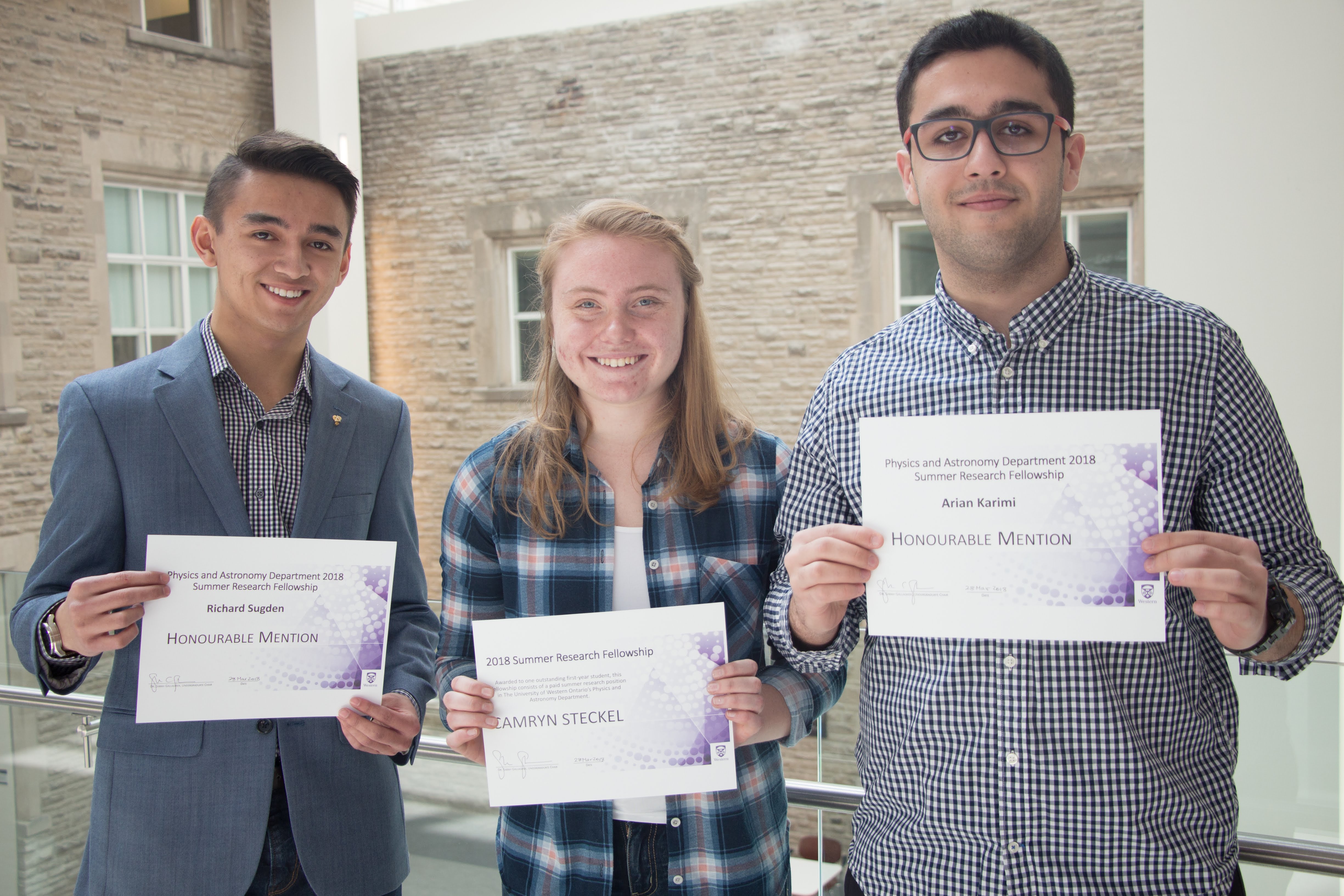
On Thursday, April 5, the Department of Physics and Astronomy announced this year’s First-Year Summer Research Fellowship Prize winners.
Camryn Steckel was the winner, and will receive twelve weeks of paid work with a Faculty member-led research group in Summer 2018. Honorable Mentions went to Richard Sugden and Arian Karimi.
Professor Stan Metchev has been awarded a Distinguished Research Professorship in Science for the 2018-19 academic year.
The position is awarded based on special opportunities to implement a large collaborative grant, to pursue a high-risk, unique research avenue that is time sensitive and has a strong potential for a significant breakthrough, or to capitalize on a new and significant partnership.
The department of Physics and Astronomy extends a big congratulations to Stan on this achievement. It is certainly well deserved.
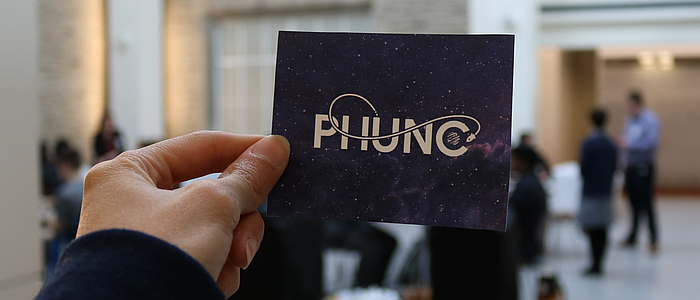
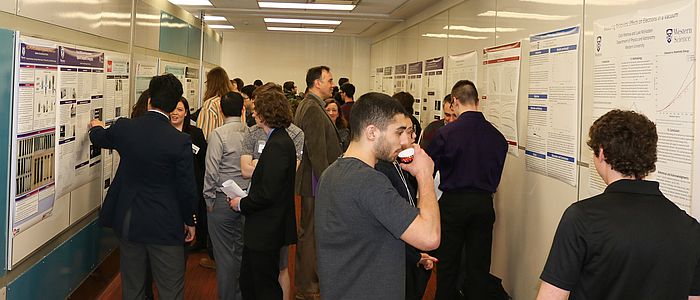
On Thursday March 15, 2018, the Physics and Astronomy Student Association (PASA) organized their annual Physics Undergraduate Conference (PhUnC).
PhUnC 2018 was a success by every measure. With 45 registered attendees, including 28 from eight other Ontario universities, as well as numerous unofficial attendees, it was by far the best attend in the event’s history. The keynote talk by Dr. Neil Turok, Director of the Perimeter Institute, was standing room only.
The summer research fellowship prize winner was Alicia Martin from Brock Univeristy with an oral presentation “A Monte Carlo Model of the ELEKTRA Agility Radiation Therapy Treatment Head”. As a result she has $3000 to support summer research with one of our faculty.
Runners up were Matt McCready (Western University, poster presentation, “Renal Cell Carcinoma”) and Ahmad Mahmood (McMaster Unversity, oral presentation, “Death and all his friends: The influence of physical membrane parameters on cell death”).
Honorable mentions went to Bill Truong (Brock University, oral presentation, “Application of the Ginzburg-Landau Theory to a one-D superconductor”); Jessica Speedie (McMaster University, poster presentation, “A study on the observed properties of galaxies in a large sample of compact groups identified in the Sloan Digital Sky Survey”) and Connor Dunne (poster presentation, Western University, “Blackbody radiation”).
Big thank yous are in order for all the volunteers and the entire PASA group: Adrian Mahjour, Colin Metrow, Tim Hallatt, Anastasia Codirenzi, Athithya Aravinthan, Claire Park, Danielle McFadden, Gaby Robles, Jefrey Judes, Mark Krammer, Matthew McCready, Mauli Bhatt, Nastaran Ghafouriansahraei, Nicholas Popiel, Sean Huggins, Stella Liu and Victoria Pinnegar. As well as the voluneteer judges, faculty and staff who supported the event, particularly Paul Wiegert, Rob Cockcroft, Phin Perquin and Jennifer Tilston.
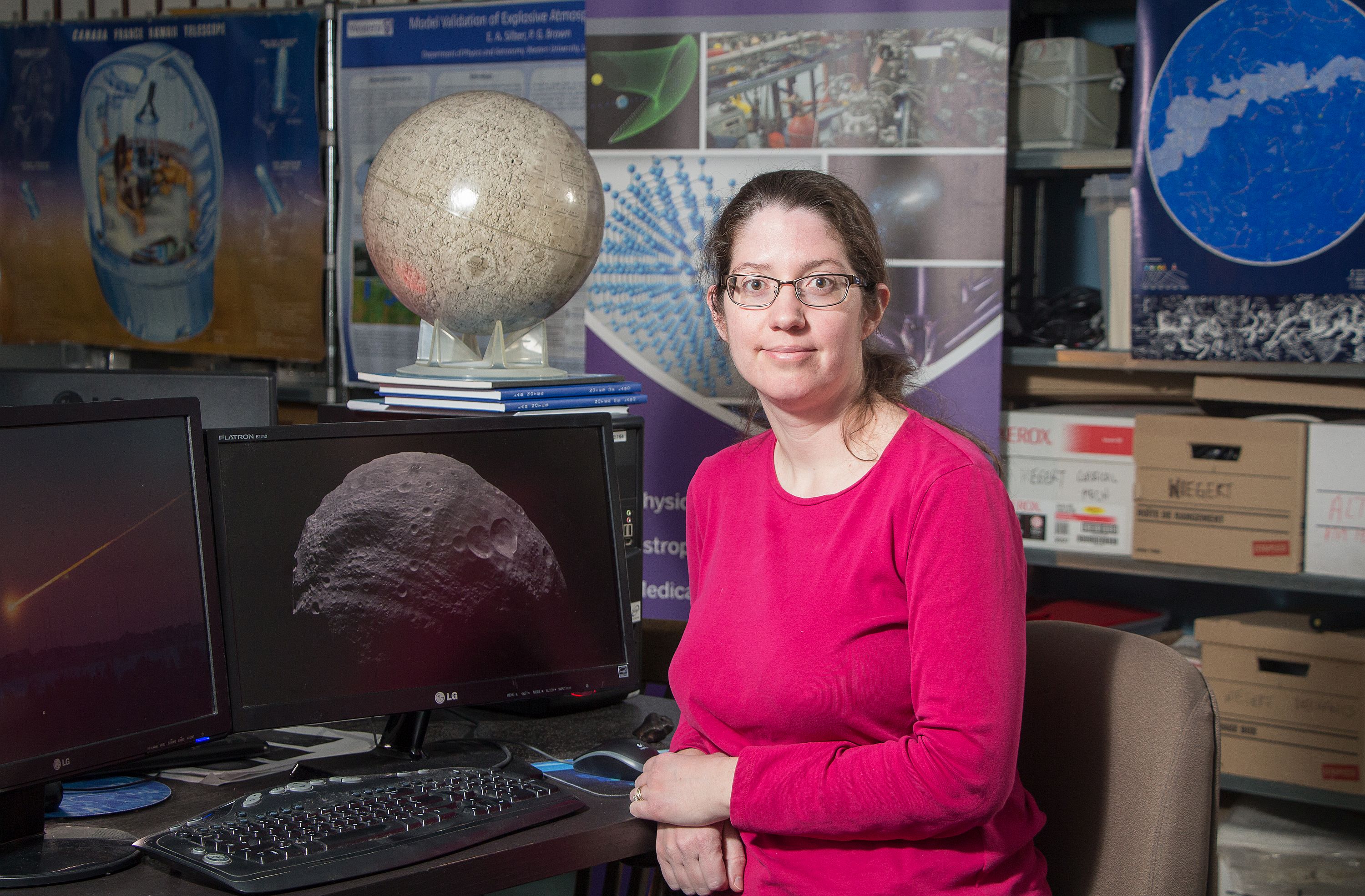
Professor Margaret Campbell-Brown has won the prestigious Faculty Scholar Award.
These awards are limited in number and recognize scholarly achievements of a faculty member at a critical point in his or her career. The awards recognize the complete scholar who has maintained an excellent record in teaching and research, and who has recently achieved prominence in one of these two domains.
The award enables professor Campbell-Brown to use the honorary title of Faculty Scholar for the academic years 2018- 19 and 2019-20, and includes an additional research grant in each year of the award.
Congratulations Margaret, the honour is well deserved!
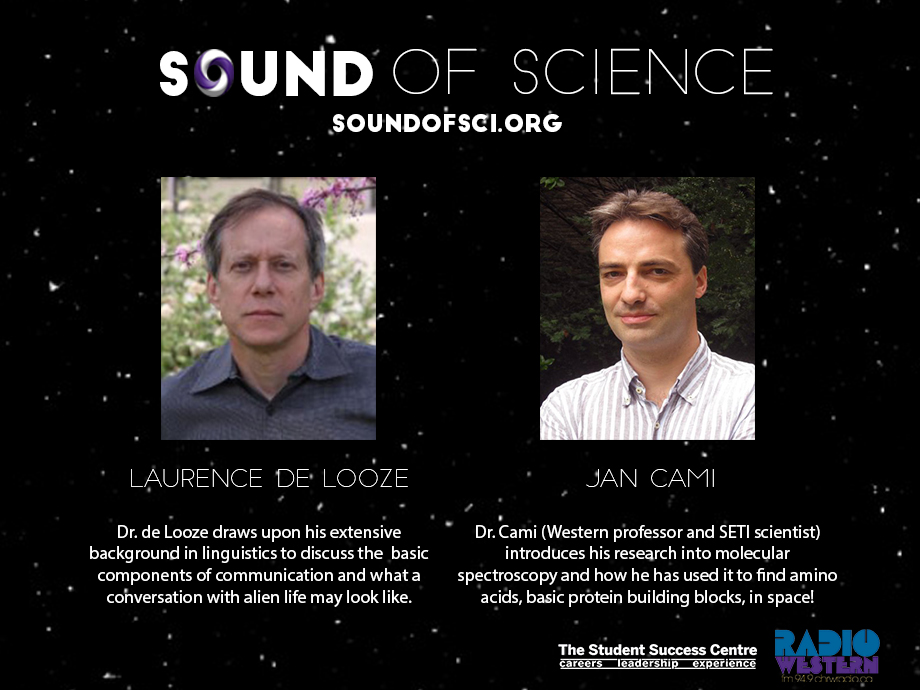
The department of Physics & Astronomy’s Jan Cami was a guest on the latest episode of the Sound of Science, the student radio show on science research at Western.
The episode focused on the search for extraterrestrial life.
On Tuesday February 6, 2018, Sina Khajehabdollahi gave a public lecture on his thesis topic: “Phase transitions of Integrated Information in the Generalized Ising Model of the Brain”.
He then successfully defended the thesis. Sina was supervised by Dr. Andrea Soddu.
The Royal Astronomical Society of Canada (RASC) is celebrating their 150th anniversary this year.
The celebrations started officially this past weekend, January 27, when the RASC hosted a coast-to-coast, cross-country Star Party that was broadcast on the Internet. Throughout the event, many greetings and congratulatory notes were shared as well.
Since the London Chapter of the RASC are our main collaborators for the countless events we do at the Cronyn Observatory, we wanted to surprise them and thank them for their years of support. We made this short video greeting for them.
Happy Birthday, all you RASCals and thanks for all
your support!
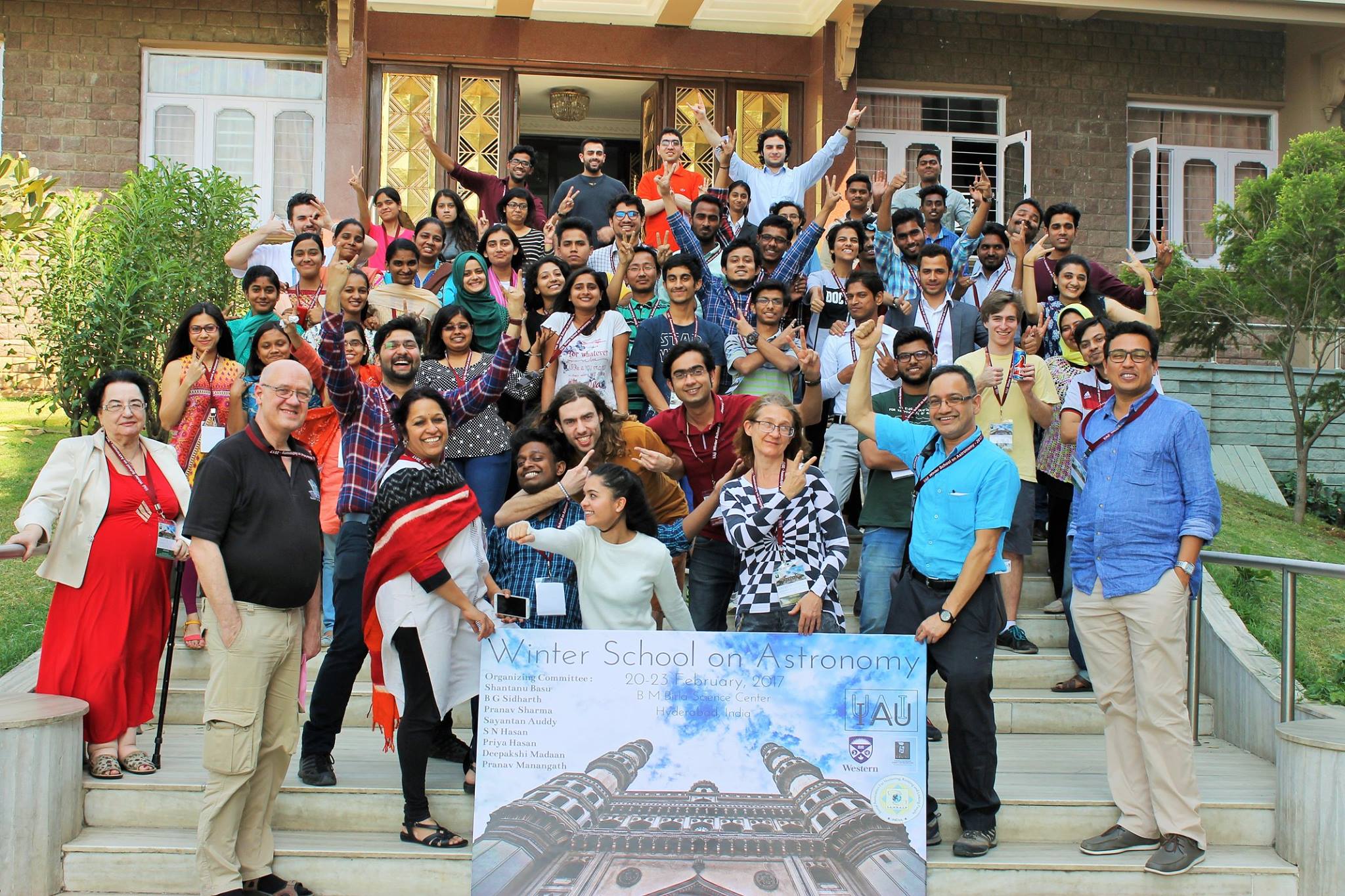
The Astronomy Winter School in India, or Astrowin, was held in Hyderabad, India, on February 20-23, 2017. This was the second in a series of schools, the first of which was held in February 2016, in Agra, India. The Astrowin events are actually a combination training school for Bachelors and Masters degree level students, a research workshop, and a cultural experience. Accessibility to participants from diverse backgrounds is a founding principle of the schools. The diversity of the school reached new heights in 2017, with a fully gender-balanced participant list and 11 different countries
represented by the students and speakers. These countries were Bangladesh, Canada, Egypt, India, Indonesia, Iran, Malaysia, Nepal, Philippines, the UAE, and the USA. The largest contingent among the 70 students was from India, followed by Canada. The Indian students also represented the length and breadth of the subcontinent, from Maharashtra to Manipur, and Punjab to Tamil Nadu. The 2016 school had been sponsored by generous funding from Anand College, Agra, India, and Western University, Canada. In 2017 the school was funded by the International Astronomical Union – Office of Astronomy for Development (IAU-OAD), giving it a greater international profile. The event was held at the B M Birla Science Centre in Hyderabad, and many thanks go to its Director, Dr. B. G. Sidharth.
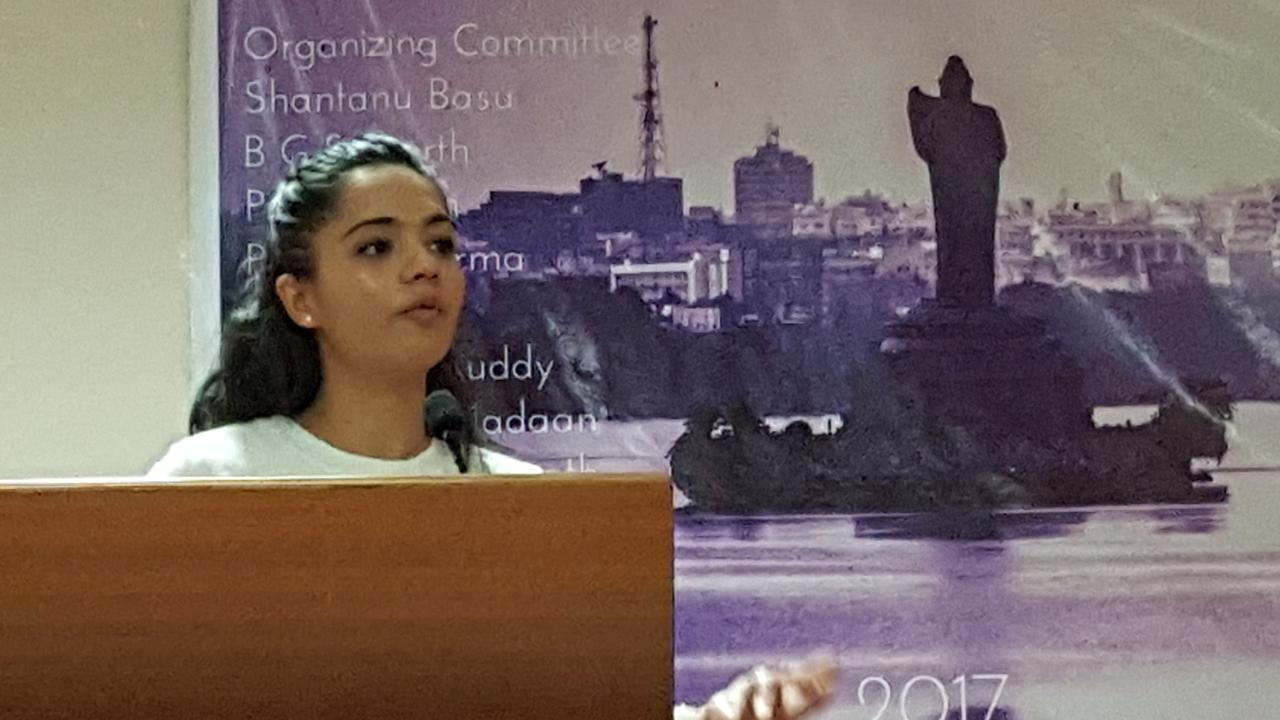
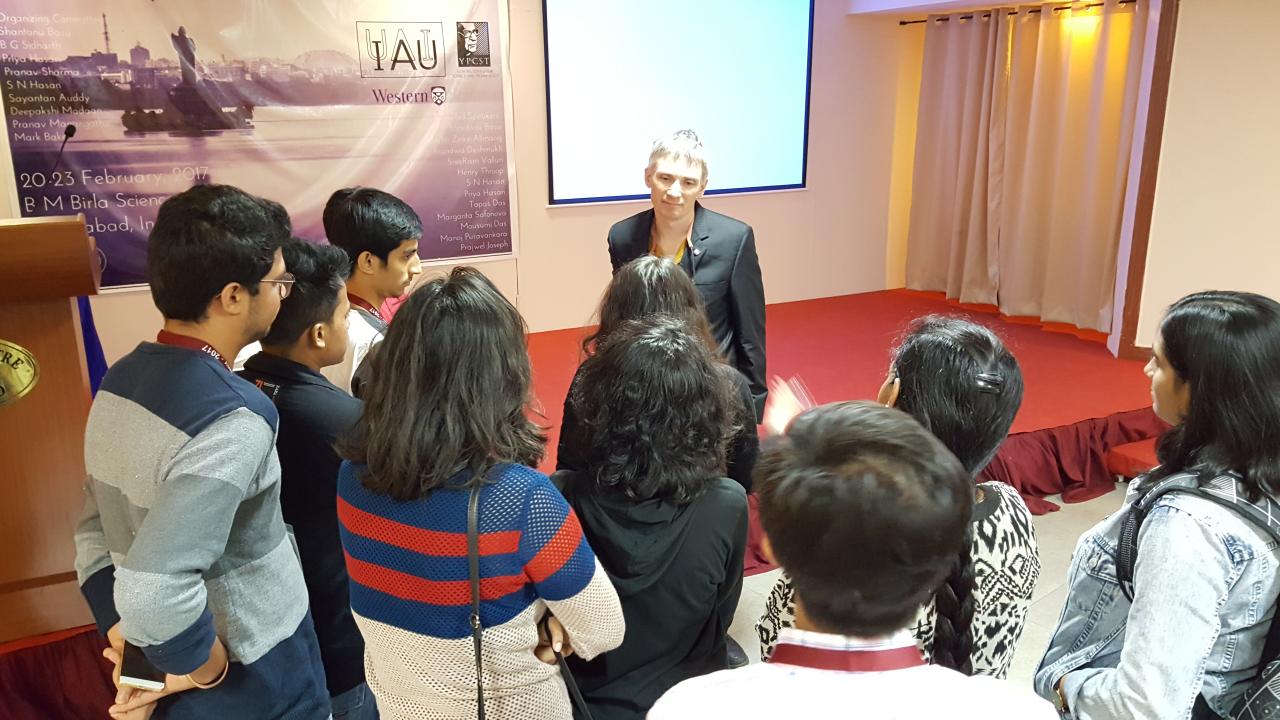
Deepakshi Madaan leads the hands on session on the stellar initial mass function.Henry Throop engages with the audience.
The school segment of the event featured two hands-on astronomy sessions. Priya Shah Hasan (Maulana Azad National Urdu University, India) led an interactive session on GAIA telescope data analysis, and Sayantan Auddy and Deepakshi Madaan of Western University teamed up to lead a workshop on the use of the Python programming language with an application to measuring the mass function of stars in a stellar cluster. Other school highlights included Henry Throop (Planetary Science Institute, USA) speaking on the New Horizons mission to Pluto, Pranav Manangath (Western) speaking on the Theory of Planet Formation, Pranawa Deshmukh (IIT-Tirupati) speaking on Precession of Planetary Orbits in General
Relativity, Ajith Parameswaran (ICTS Bangalore) on Binary Black Hole Detection by LIGO, and Tapas Das (HRI Allahabad) speaking on Accretion onto Supermassive Black Holes.
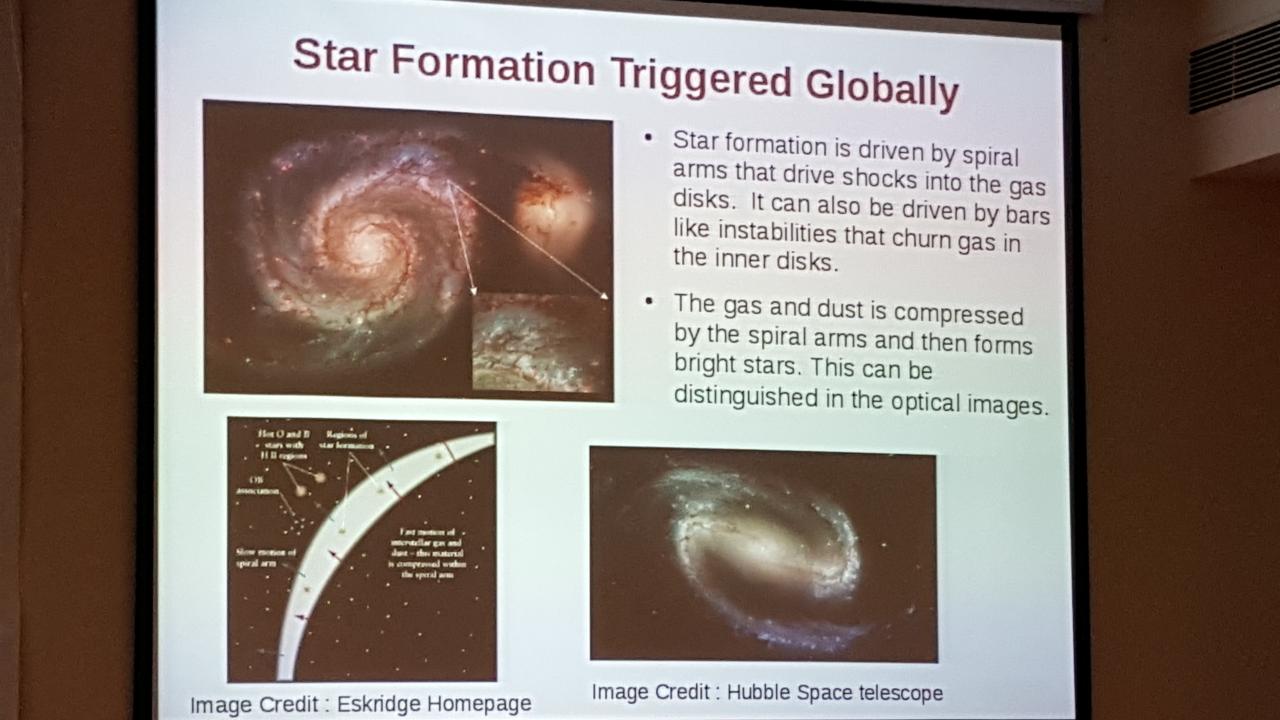
A slide from Mousumi Das’s talk on extragalactic star formation.
The final day was a research workshop on various aspects of stellar clusters and star formation, where students experienced a research presentation environment, with plenty of opportunity to interact with the speakers. In addition to talks by many of the school lecturers, there were several invited talks including by Mousumi Das (IIA Bangalore), Manoj Puravankara (TIFR Mumbai), and Margarita Safonova (IIA Bangalore).
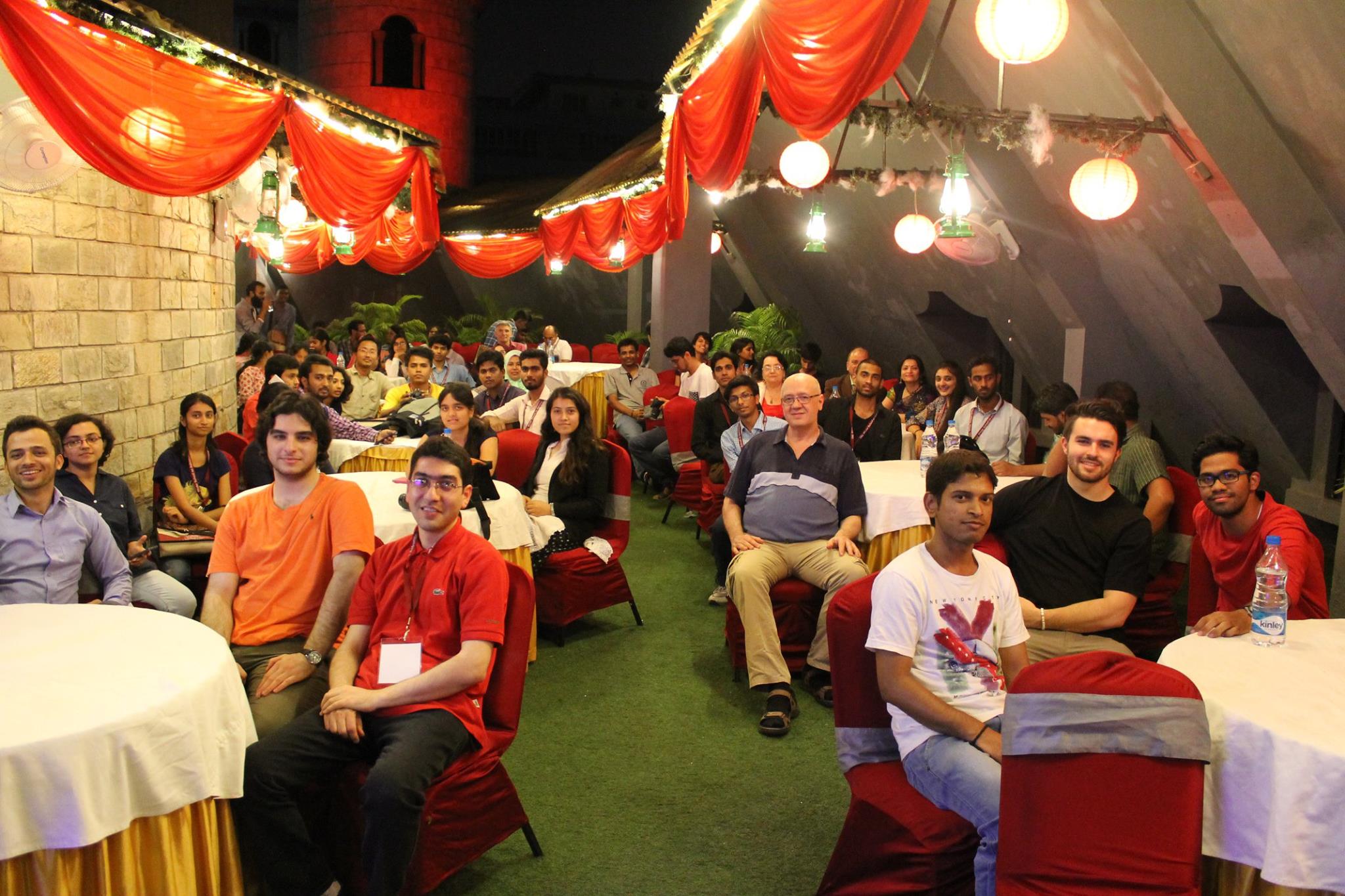
All relaxed at the banquet.
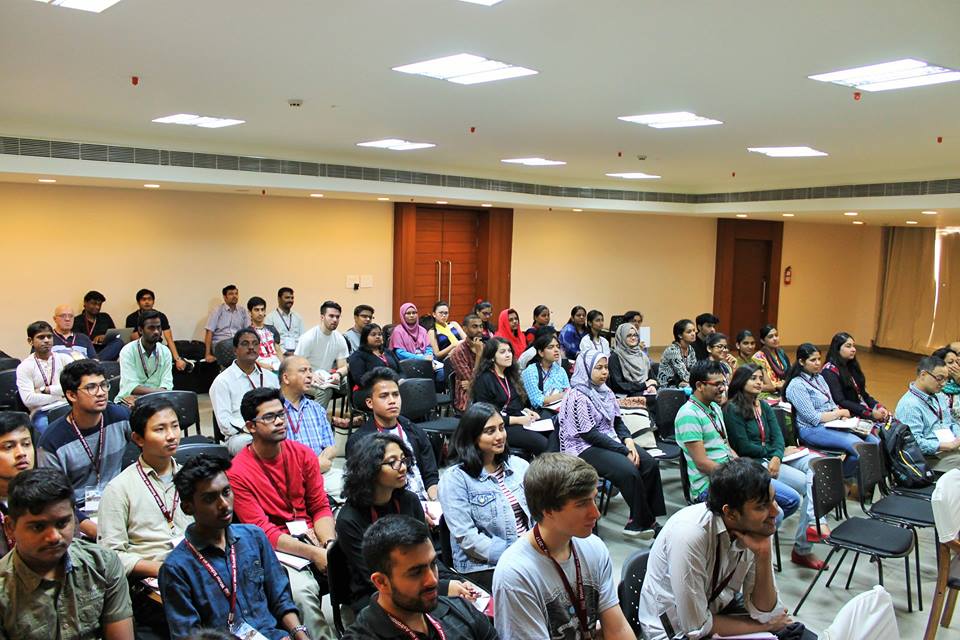
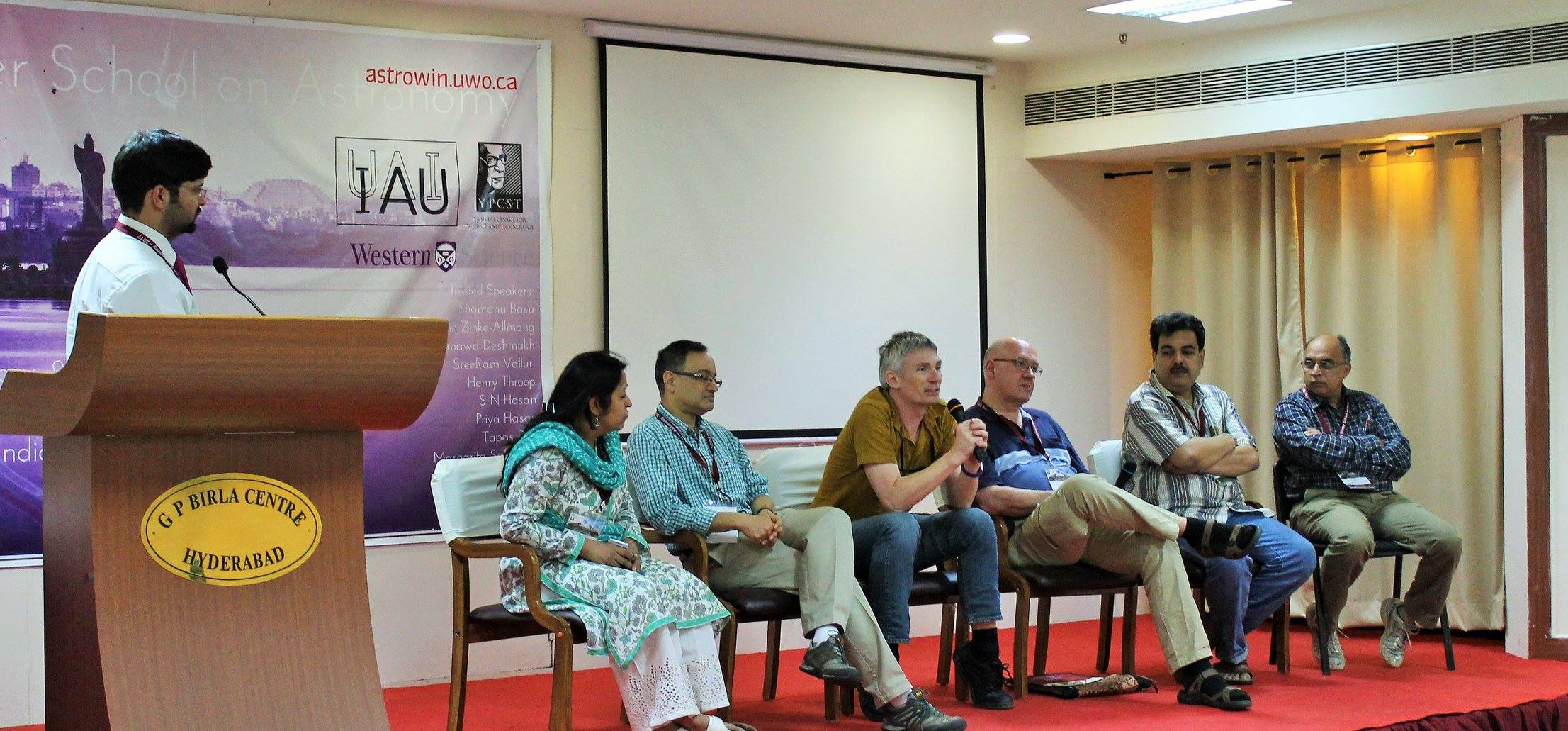
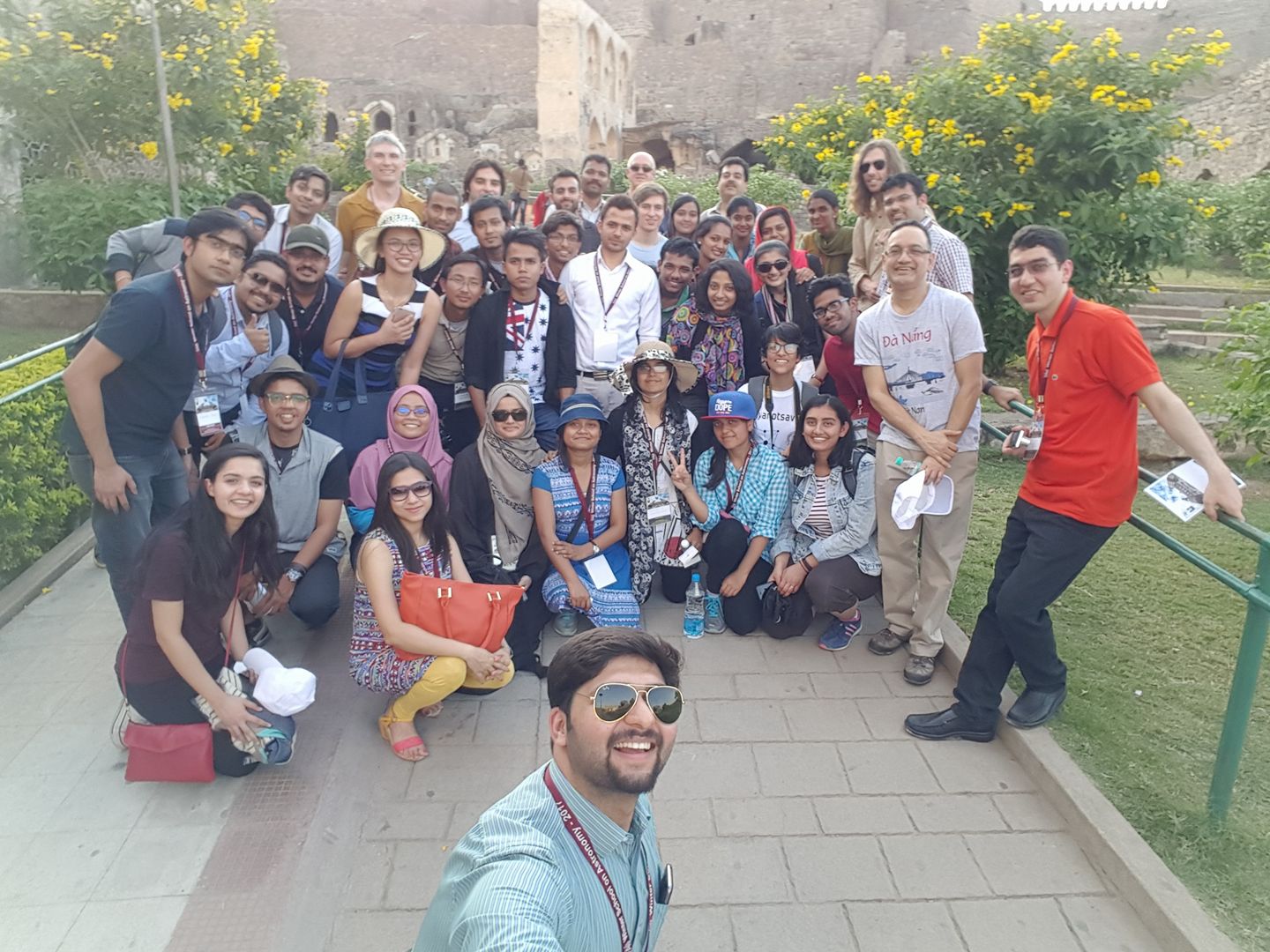
A special feature of the Astrowin series is simply bringing a diverse group of people together and letting them interact. Relationships are developed and cross-cultural awareness is gained. On the second day, there was a group excursion to the historic Golconda Fort, located just outside Hyderabad and overlooking the city. The fort dates back to about the 12th century and has been in use by many successive dynasties. In recent centuries its international fame had come from its association with nearby diamond mines that yielded the largest and most famous diamonds in the world, notably the Koh-i-Noor diamond and the Hope diamond. Participants made the trek to the top of the hill while developing fellowship with each other, and the group stayed till the evening light show. Another part of the school was a panel discussion on careers in astronomy, with students asking very frank questions about what it takes to get a PhD position, and a conversation about the international nature of astronomy research.
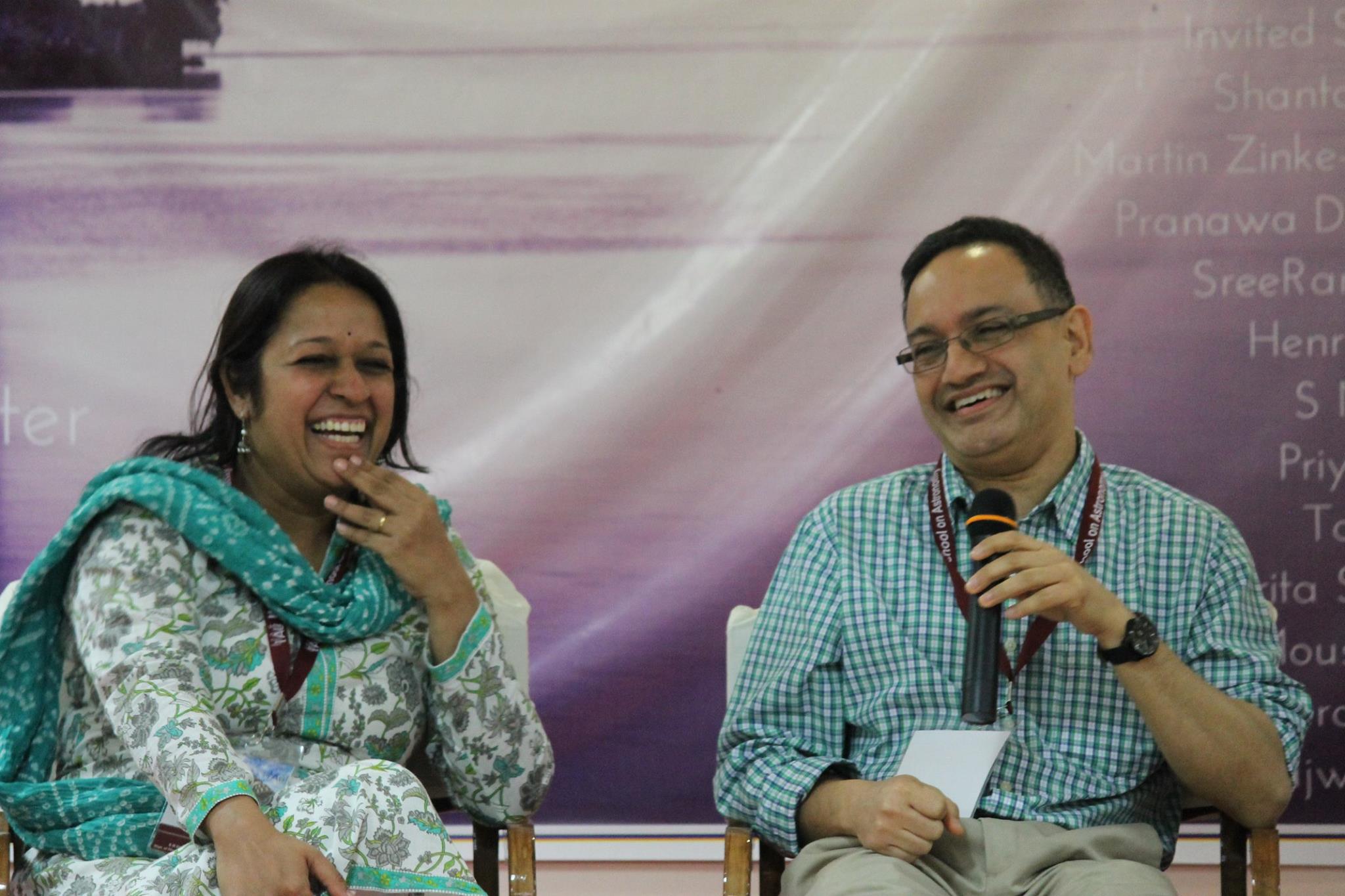
The panel discussion addressing careers in astronomy.
Astrowin provided an opportunity for education, travel, and cross-cultural interaction. It allowed Canadian students (from Western University, Wilfrid Laurier University and the University of Toronto) to meet international students in a study abroad event while experiencing India. For Indian students and those from other Asian countries, it provided a valuable opportunity to interact with leading scientists from many countries in a relaxed and inquisitive environment. The very large number of applicants for the Astrowin schools means that there is a strong demand for these kind of events and surely there will be more to come.
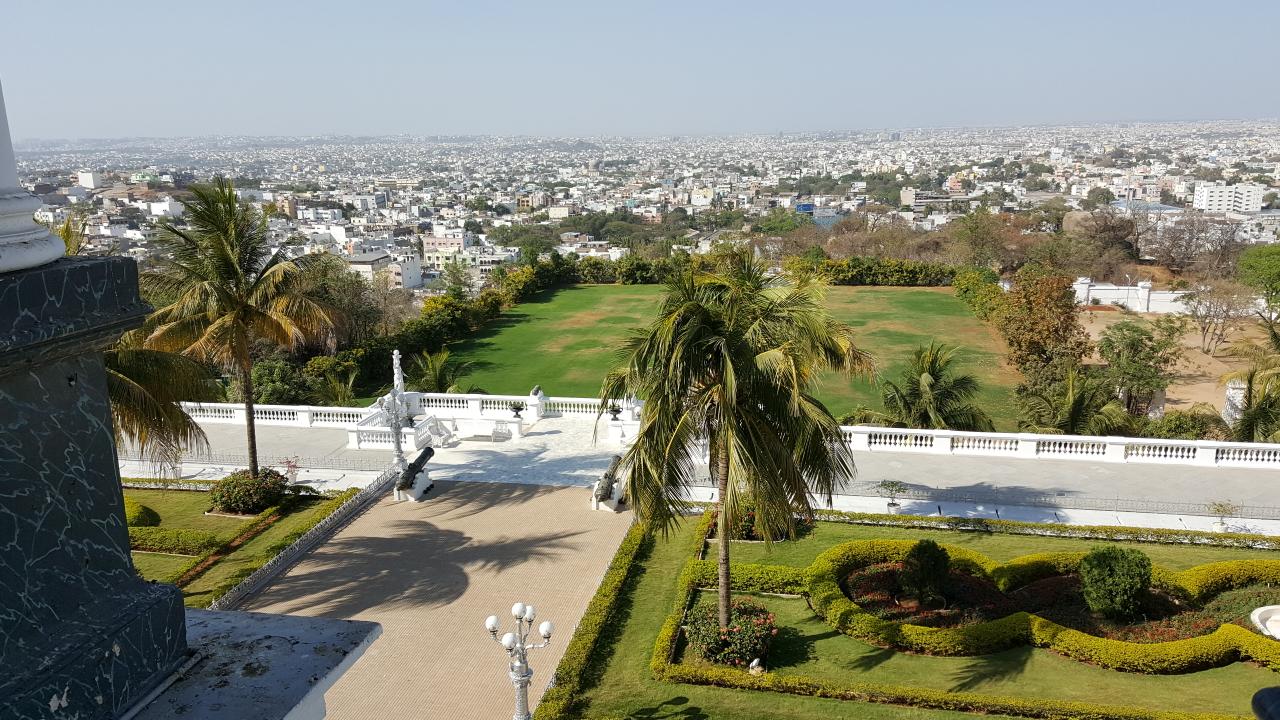
The group at Golconda Fort. Pranava Sharma holds the selfie stick!A view of Hyderabad from the opulent Taj Falaknuma Palace, residence of the former Nizam of Hyderabad.

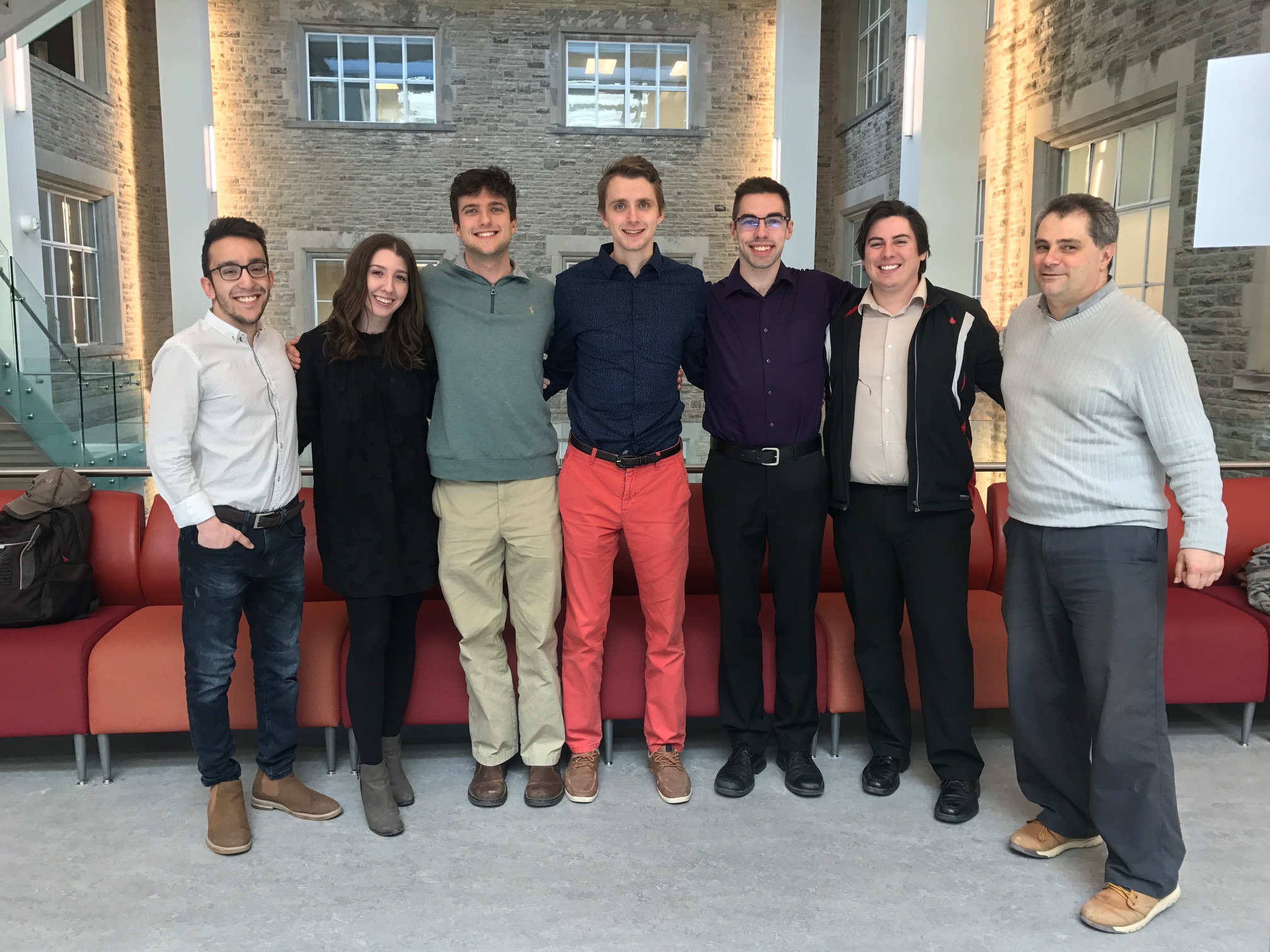
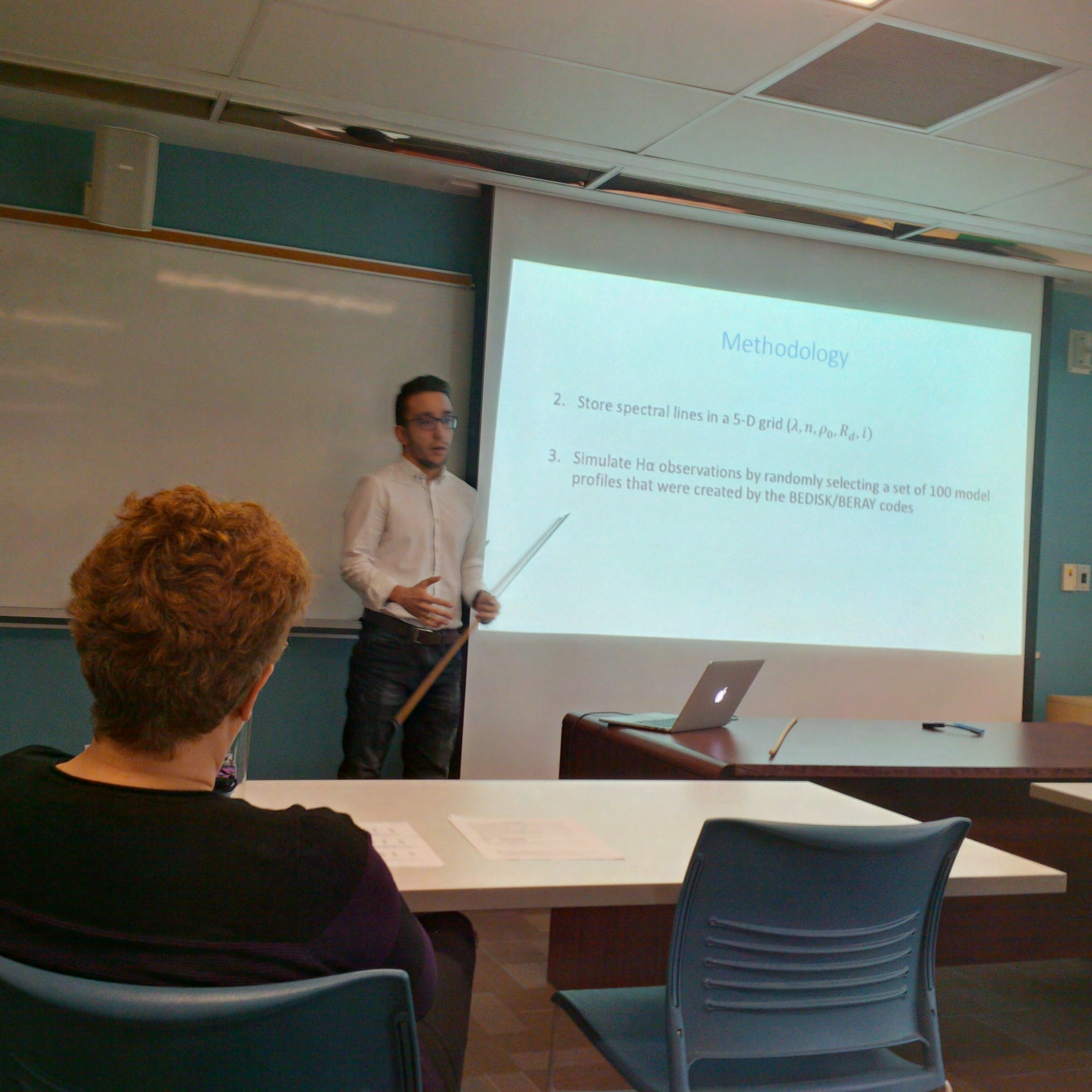
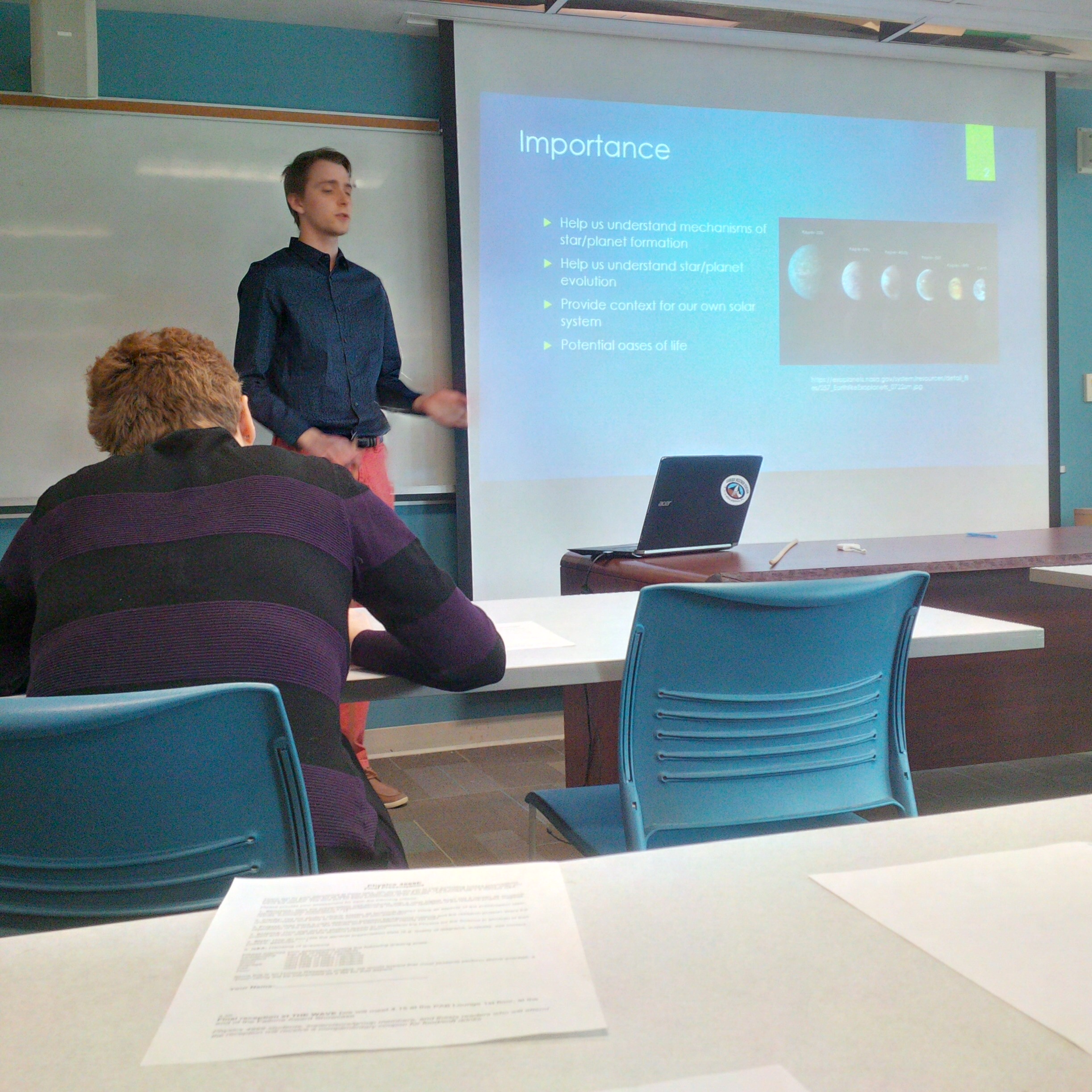
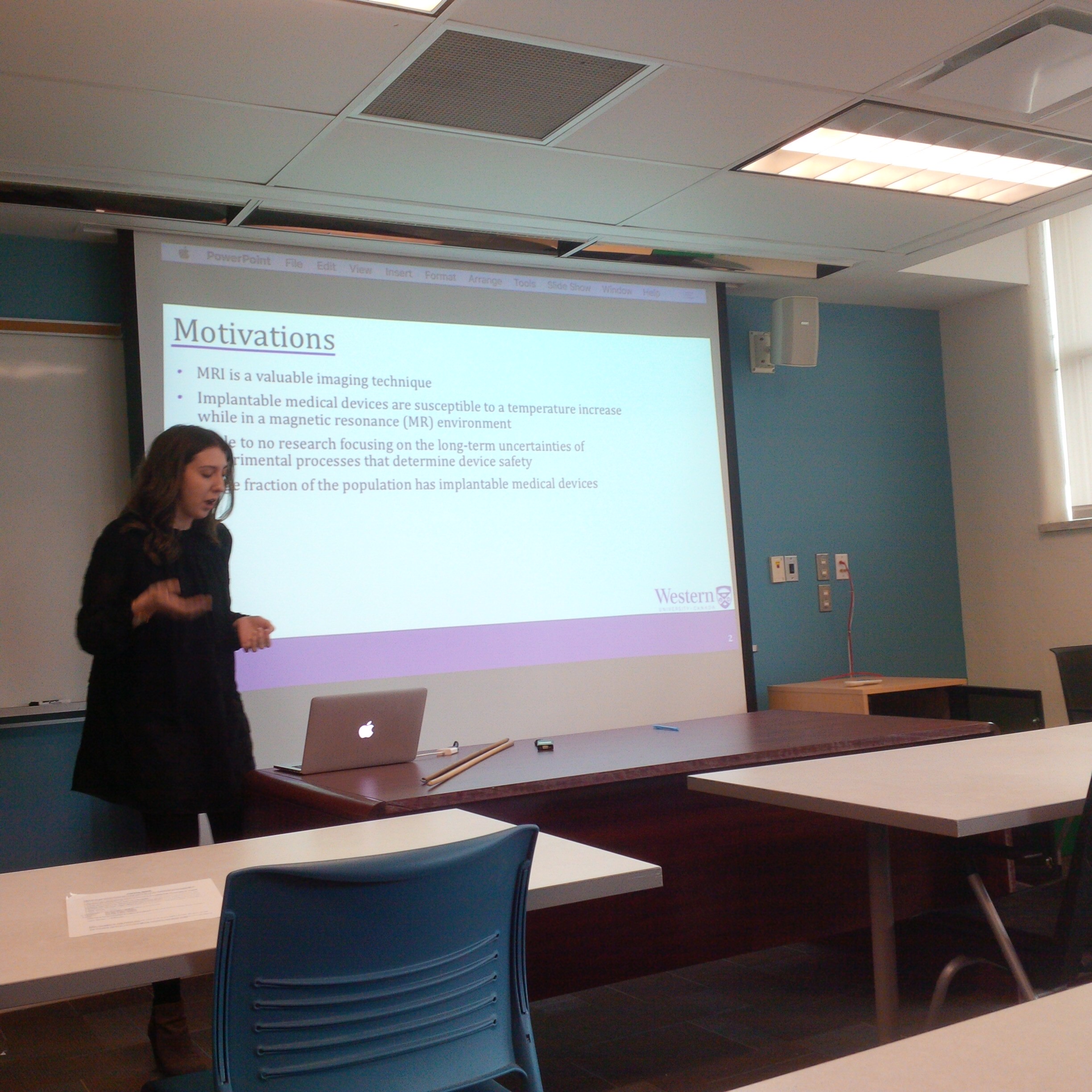
 He then successfully defended the thesis. Daniel was supervised by Dr. Blaine Chronik.