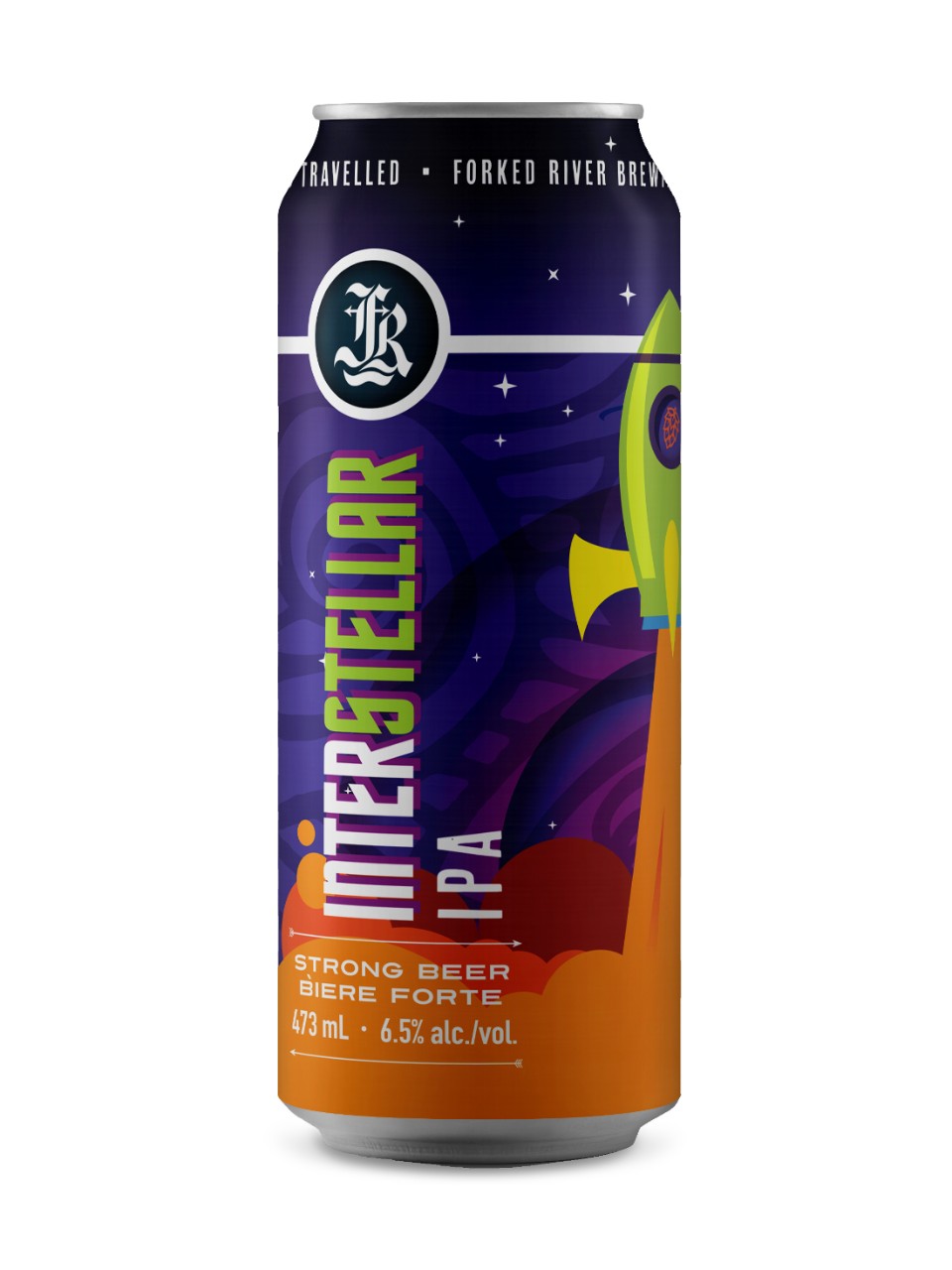
Physics and Astronomy Alumnus, Rob Weryk (PhD ’13), helped inspire the folks at Fork River Brewing to create the new Interstellar IPA.
The east-end craft brewery likes to highlight the achievements of Londoners with their beers, and Rob’s work with the Pan-STARRS program in Hawaii got their attention after he discovered the first interstellar object passing through our solar system.
Interestingly, Interstellar IPA is not the first offering from Forked River with a connection to the Department of Physics and Astronomy. Previously they paired with Olympian and physics student, Alex Kopacz, creating Golden Boy after his return from Pyeongchang with a gold medal.
Applications of Oscillations and Waves: Guitar Strings and Magnetic Resonance Imaging
Date/Time: Wed. Jan 30th, 2019, 2:30 pm
Location: NS-145
Course: Physics 1029B (Instructor: E. Wong)
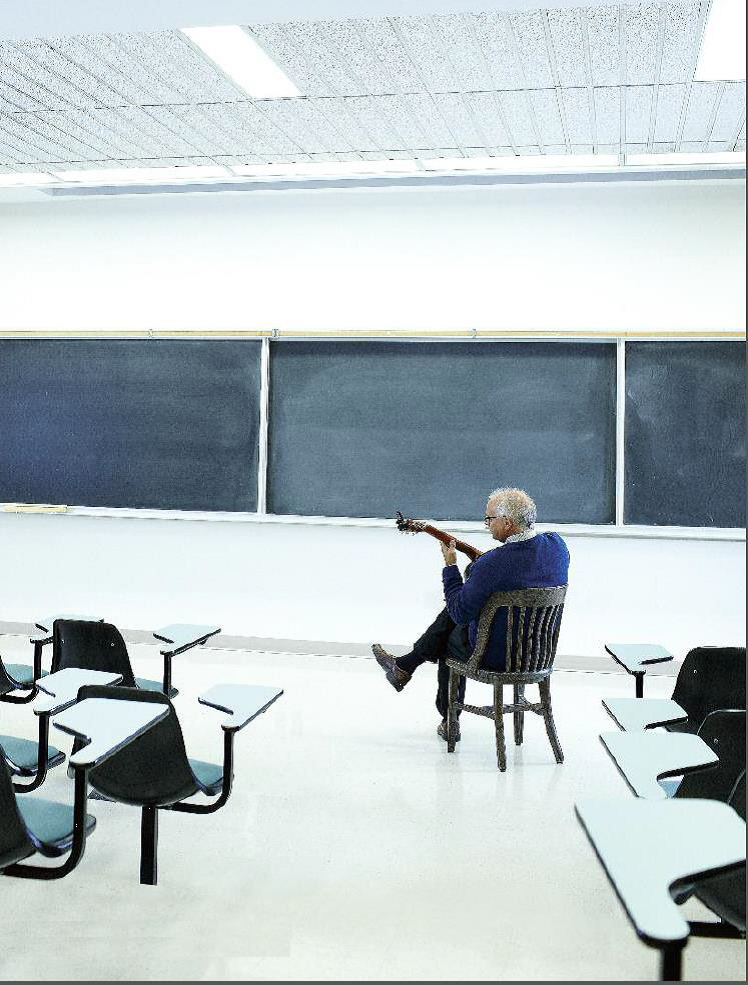
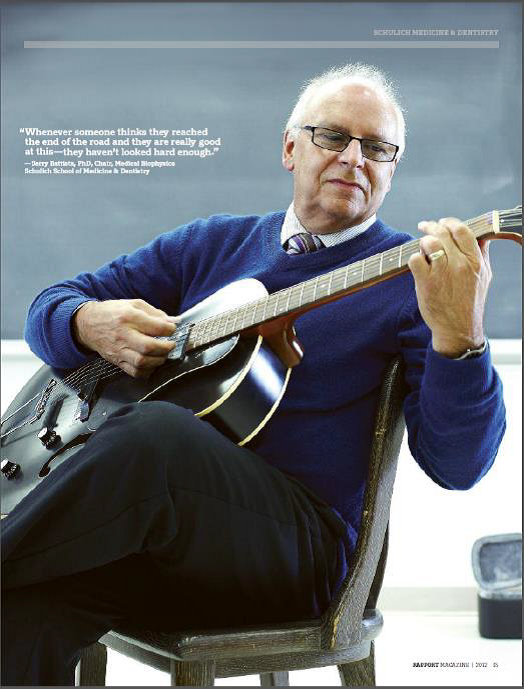
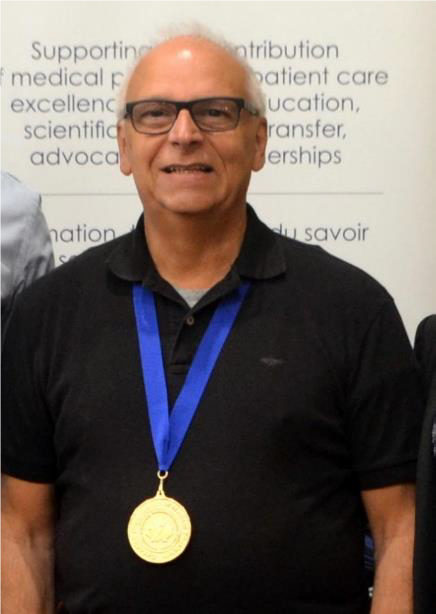
Invited Speaker: Professor Jerry Battista
Dr. Battista is an Emeritus Professor at Western, past chair of the Medical Biophysics Department, former Director of Physics Research & Education at the London Regional Cancer Program, 2017 Gold Medal recipient from the Canadian Organization of Medical Physicists (COMP) for his lifetime achievements in Medical Physics, recipient of the (Canadian Association of Physicists) CAP-COMP Peter Kirkby Memorial Medal for Outstanding Service to
Canadian Physics, among other accolades for exceptional teaching at Western. Together, Drs. Battista and Wong have taught Radiological Physics (Phys 4672/9655) for more than two
decades, and would like to share their passion and insights in Physics with first year students.
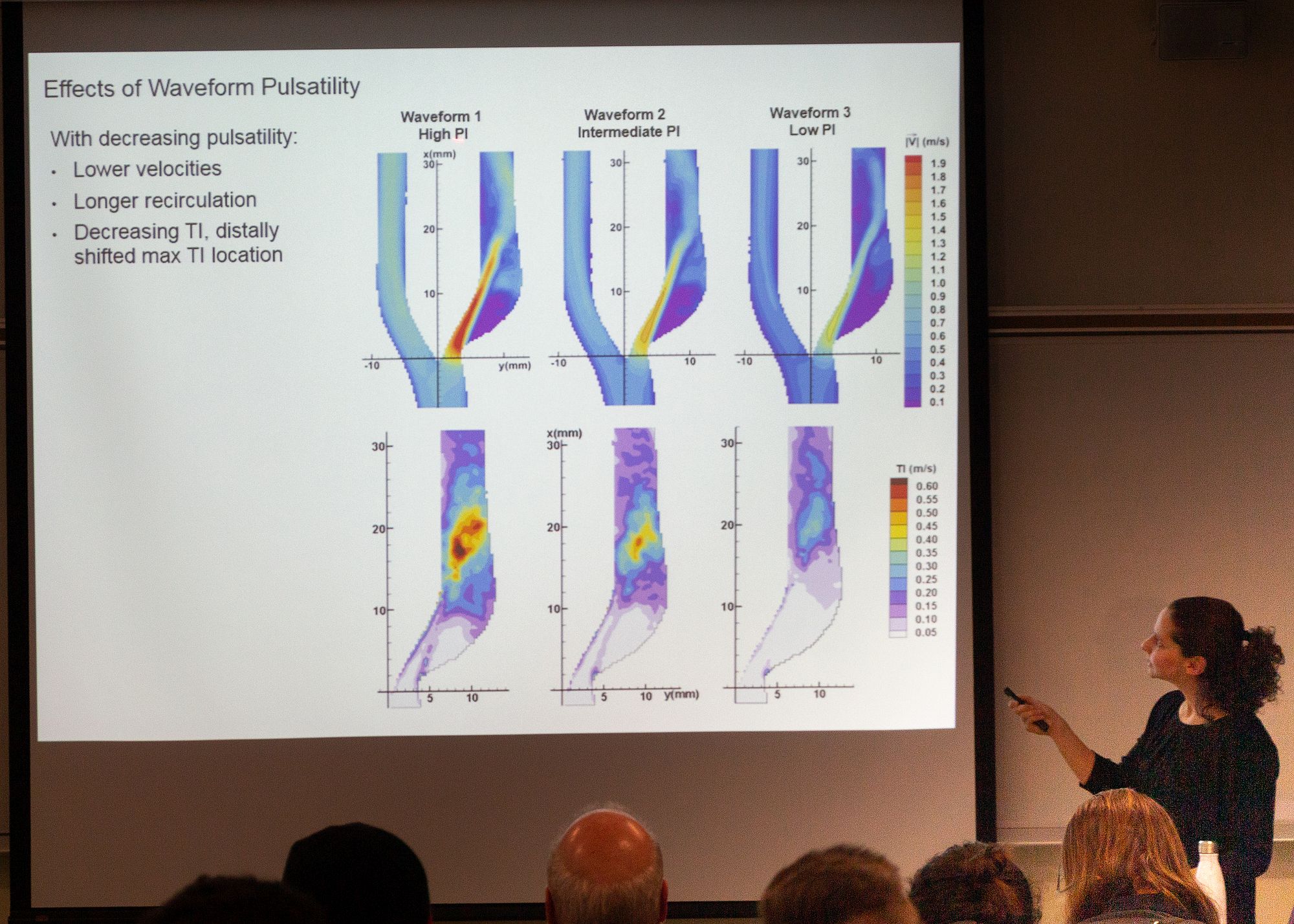
On Wednesday December 12th, 2018, Amanda Dicarlo gave a public lecture on her thesis topic: “Investigation of flow disturbances and multi-directional wall shear stress in the stenosed carotid artery bifurcation using particle image velocimetry”.She then successfully defended the thesis. Amanda was supervised by Dr. Tamie PoeppingCongratulations Amanda!
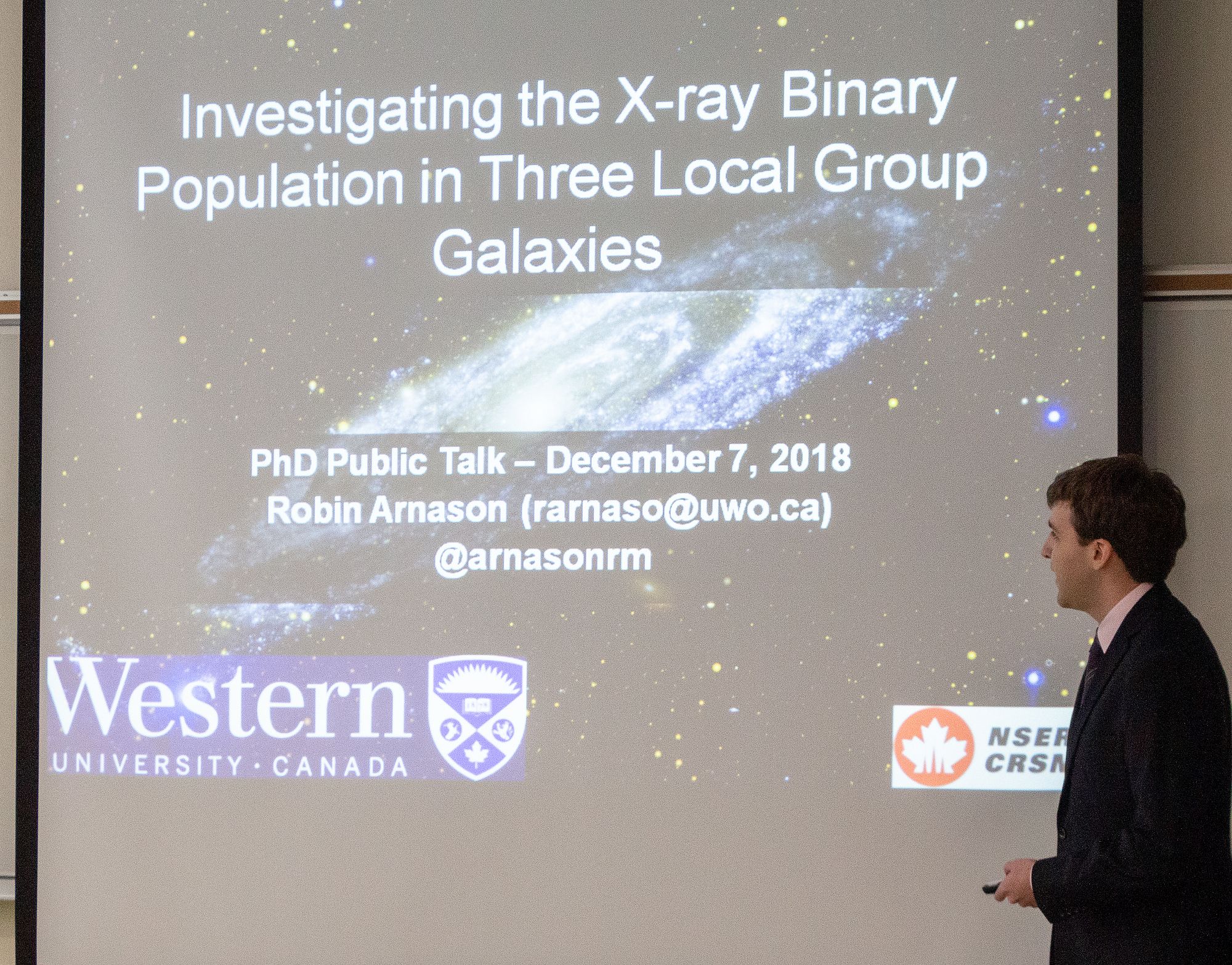
On Friday December 7th, 2018, Robin Arnason gave a public lecture on his thesis topic: “Investigating the X-ray Binary Population in Three Local Group Galaxies”.
He then successfully defended the thesis. Robin was supervised by Dr. Pauline Barmby
The current issue of Physics Today (November 2018) has an excellent article by Alessandra Candian, Xander Tielens and Junfeng Zhen, on aromatic hydrocarbons (PAHs) in the interstellar medium.
The aritcle, tiltled The aromatic universe, prominently features the research of Western Astronomers Jan Cami and Els Peeters on this topic.
The article can be read on the Physics Today website here.
Well done Jan and Els. It is always nice to see recognition of the fine research conducted in the department.
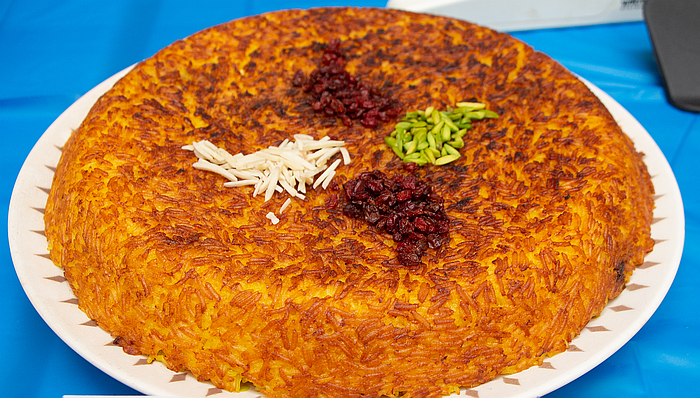
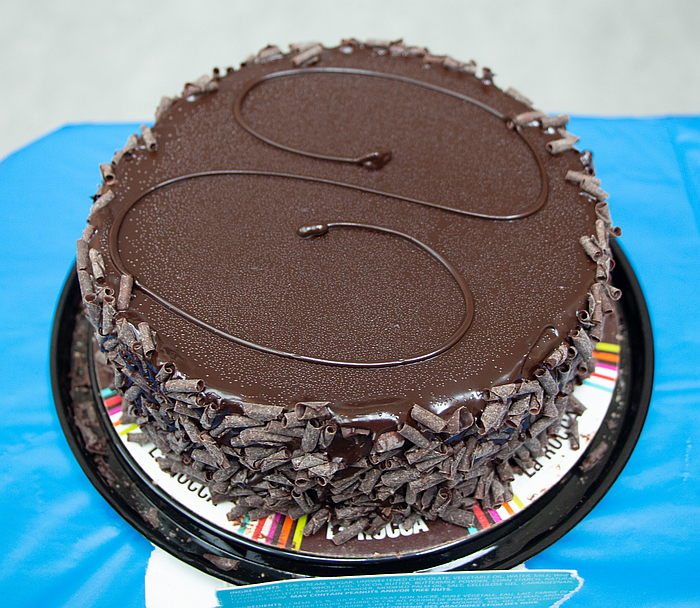
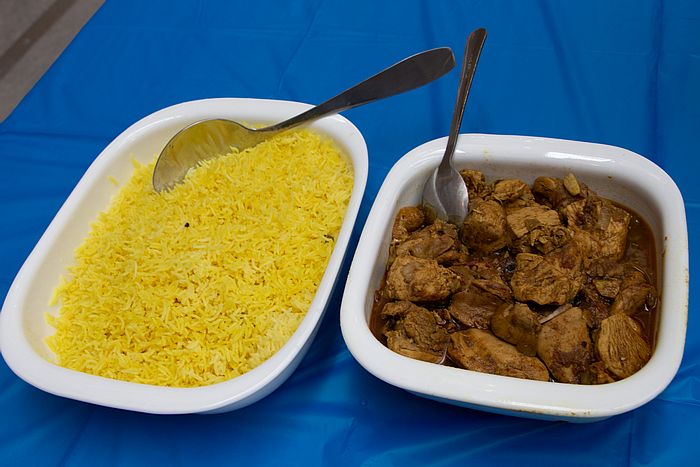
On Tuesday November 13, 2018, the Department of Physics and Astronomy hosted the annual International Potluck Lunch in celebration of International Week here on campus.
There were savoury dishes and delectable desserts from all over the world whipped up by members of the P&A community.
Those in attendance ate their fill while enjoying a casual opportunity to socialize with colleagues, and are already looking forward to next year’s event.
A special thanks goes to Kanthi for spearheading the potluck this year, to the main office staff for organizing and set up, and to Phin for the photos.
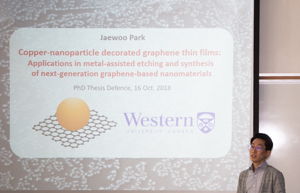
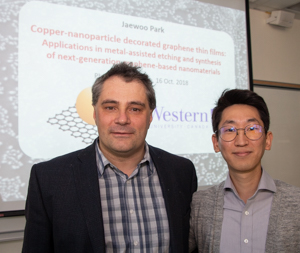
On Tuesday October 16th, 2018, Jaewoo Park gave a public lecture on his thesis topic: “Copper-nanoparticle decorated graphene thin films: Applications in metal-assisted etching and synthesis of next-generation graphene-based nanomaterials”.
He then successfully defended the thesis. Jaewoo was supervised by Dr. Giovanni Fanchini
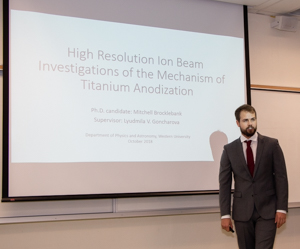
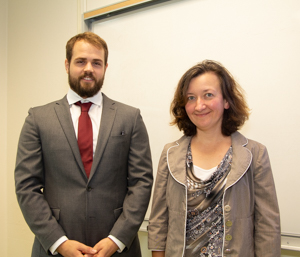
On Wednesday October 3rd, 2018, Mitchell Brocklebank gave a public lecture on his thesis topic: “High Resolution Ion Beam Investigations of the Mechanism of Titanium Anodization”.
He then successfully defended the thesis. Mitchell was supervised by Dr. Lyudmila Goncharova
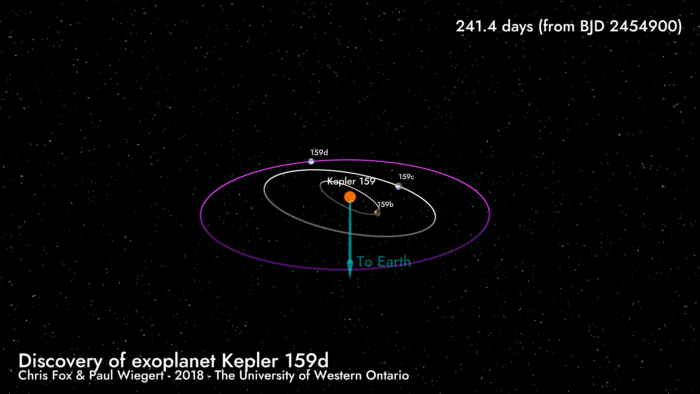
Astronomy PhD student, Chris Fox, has made a big discovery. Working with his supervisor, Dr. Paul Wiegert, Chris recently discovered exoplanet Kepler 159d.
Kepler 159d has roughly the same mass as Saturn, and, while likely composed of gas, it is located within the habitable zone of it’s star, with temperature ranges suitable for Earth-life, though no lifeforms have been discovered thus far.

 She then successfully defended the thesis. Amanda was supervised by Dr. Tamie Poepping
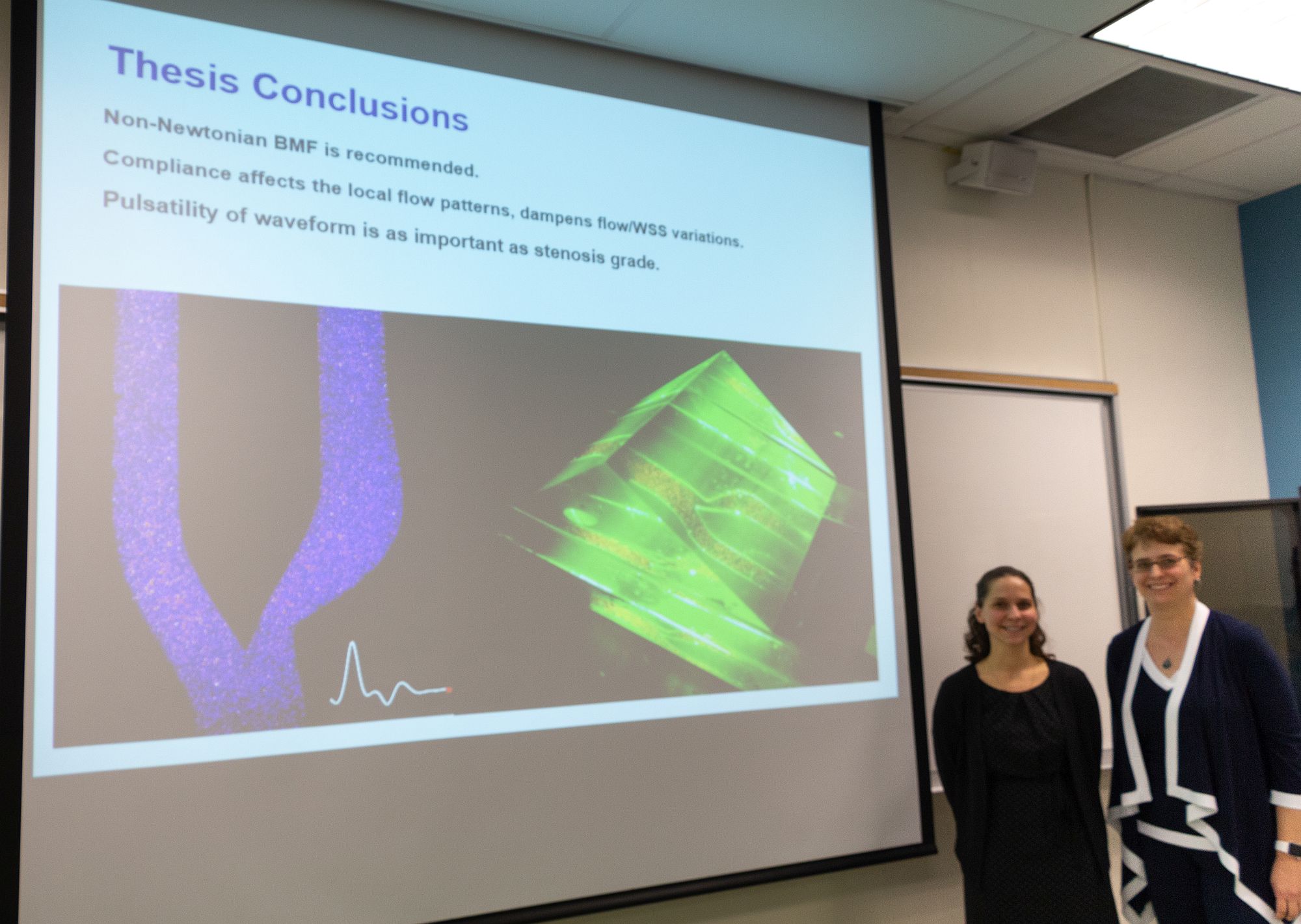 Congratulations Amanda!
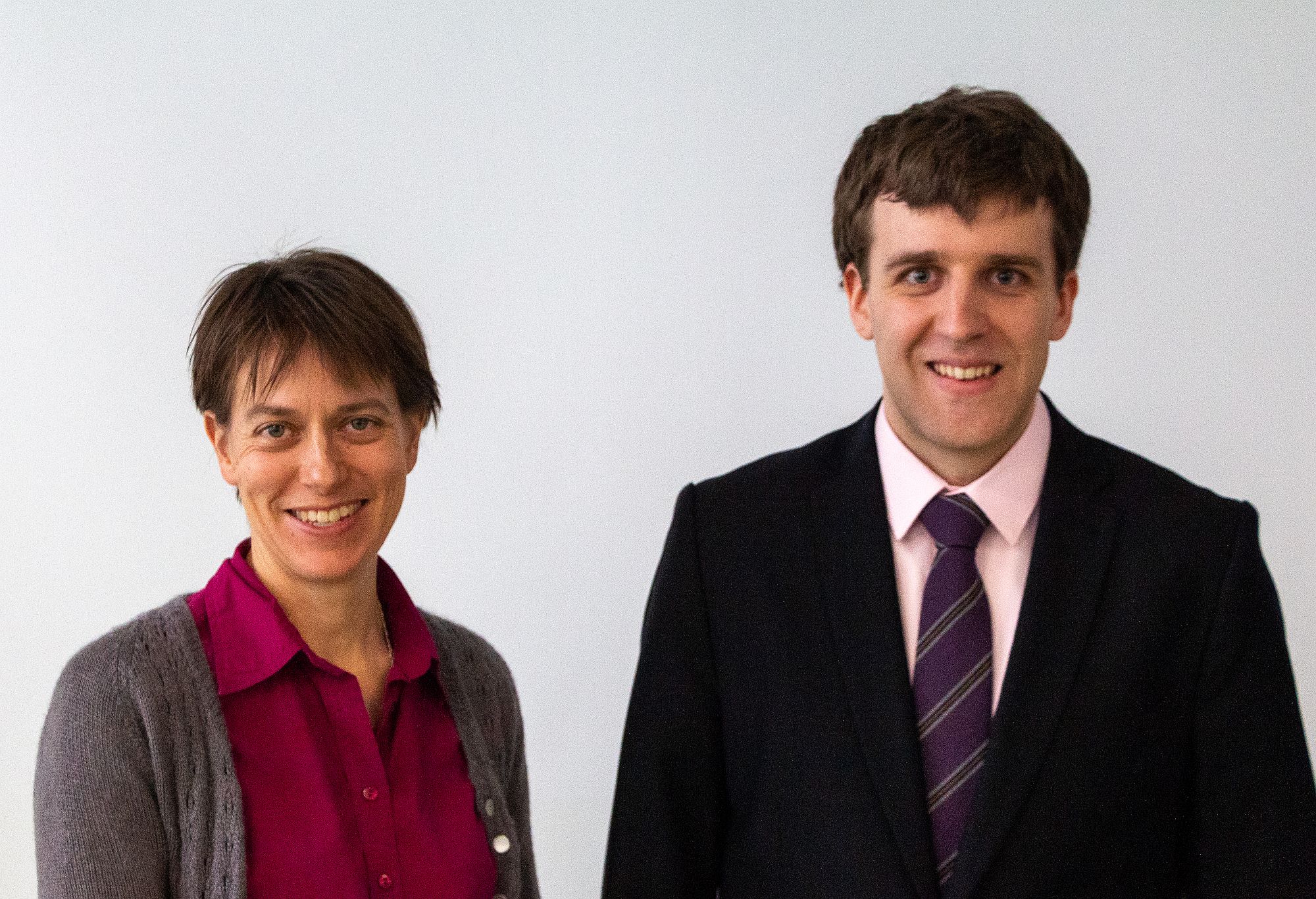
 Congratulations Mitch!